Williamsburg, Jamestown & Yorktown
Settlement, Colonial Life & Revolution · Historical · 3–4 Days

Williamsburg, Jamestown & Yorktown

Follow Virginia’s colonial story from settlement to revolution

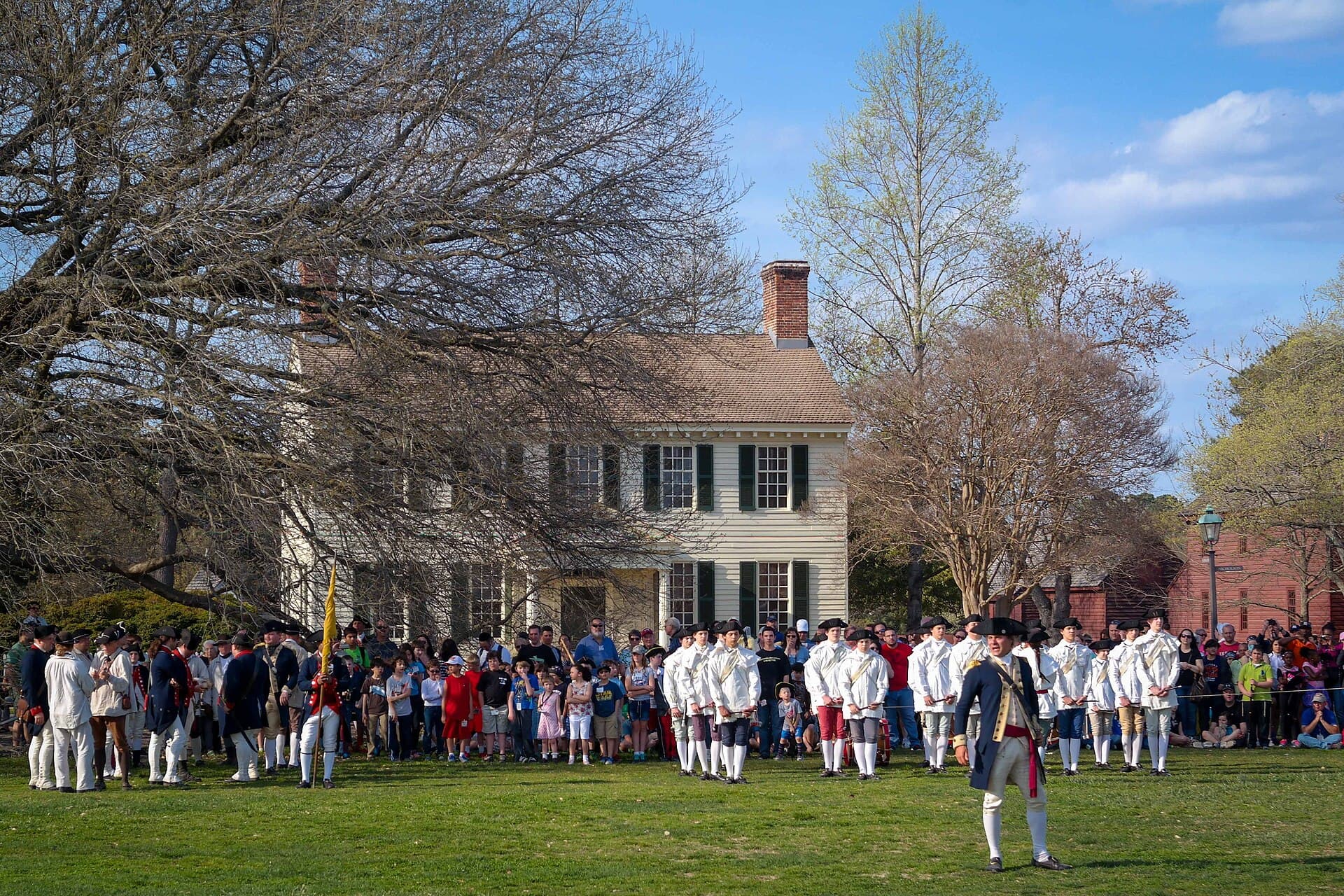
Follow Virginia’s Historic Triangle from Jamestown’s settlement and archaeology through colonial Williamsburg to the Revolution at Yorktown. Colonial Williamsburg uses historic buildings, working trades, and costumed interpreters to show how people lived, worked, worshiped, governed, and challenged power. At Jamestown Settlement, re-created environments introduce Powhatan, English, and West Central African experiences; at Historic Jamestowne, archaeology and original ground show how evidence changes interpretation. The American Revolution Museum at Yorktown adds galleries, an army encampment, and a Revolution-era farm before students study the actual battlefield. By the end, students can explain how original ground, re-created worlds, and museum galleries each tell the same past differently.

Curriculum Connection

Four objectives, one living classroom

Daily Life & Labor

Use homes, streets, historic trades, the Jamestown re-creations, and Yorktown’s farm and encampment to examine how skill, status, race, gender, work, and interdependence shaped everyday life.

Explore this objective

At Williamsburg’s trade shops, students can watch raw materials become essential goods, from flat boards shaped into barrels to timber turned into building frames, and ask who controlled each skill and its earnings. At Yorktown’s re-created farm and encampment, chores, crop processing, medical demonstrations, and military routines reveal how free, enlisted, and enslaved people depended on very different kinds of labor.

Close objective

Revolutionary Ideas

Follow questions of power, representation, rights, protest, and independence from Williamsburg’s Capitol and public spaces to the Revolutionary War choices and military outcome interpreted at Yorktown.

Explore this objective

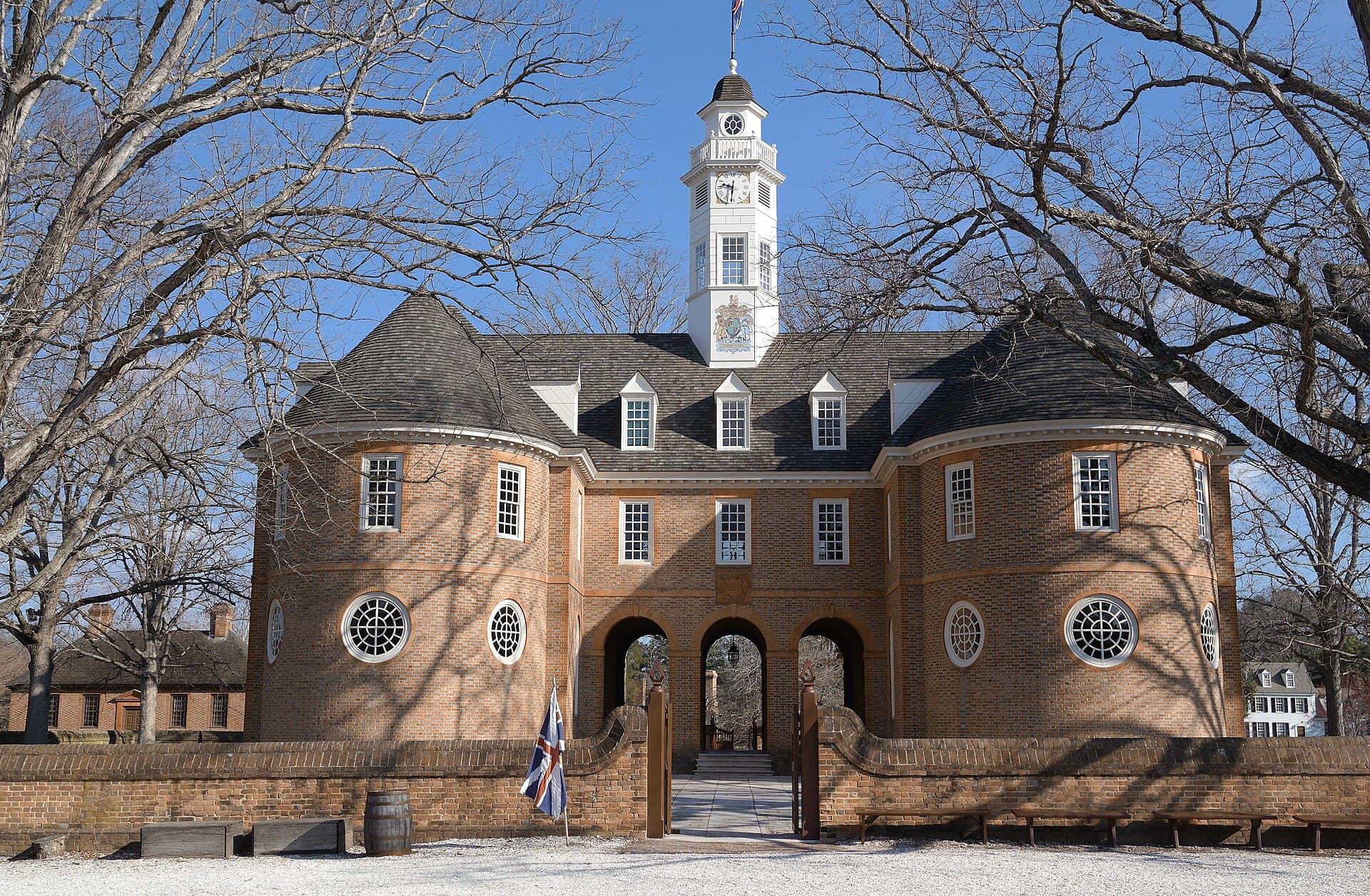
Inside Williamsburg’s reconstructed Capitol, students can see that an elected House of Burgesses shared government with an appointed Governor’s Council, and that voting itself was limited to property-owning men. At Yorktown Battlefield, the American and French siege and Cornwallis’s surrender show how arguments about representation became a military victory that effectively secured independence.

Close objective

Historical Interpretation

Compare original ground and archaeological evidence at Historic Jamestowne with re-created buildings, ships, objects, costumed interpretation, and museum galleries to understand how historians build and revise explanations of the past.

Explore this objective

At Historic Jamestowne and the Archaearium, students can connect original ground with more than 4,000 recovered artifacts and see why exhibitions change as new archaeological discoveries are made. They can test those findings against Jamestown Settlement’s full-size re-creations, asking which details come directly from evidence and which require informed interpretation.

Close objective

Colonial Community & Belief

Use Bruton Parish Church, Duke of Gloucester Street, public buildings, homes, and community spaces to examine how religion, custom, law, and social expectations shaped colonial Williamsburg.

Explore this objective

At Bruton Parish Church, students learn that the Church of England was Virginia’s official church and that regular attendance was expected, connecting personal belief with public authority. Reading the church and Capitol together helps students ask who shaped community rules, who could participate in those institutions, and whose choices were restricted.

Close objective

The Learning Arc

Intentional learning design

We design each tour with a scaffolded thematic progression wherever the destination and itinerary allow: each day establishes context, gives students evidence to work with, and prepares them for the next idea.

Theme the day. Encounter the evidence. Reflect and connect.

Each day begins with a clear theme and the context students need. At each site, our Storyteller Guides direct attention to the objects, documents, spaces, and stories that make the theme concrete. Short discussions and reflection prompts help students connect the experience to prior learning and carry an idea forward to the next day.

Tour Highlights

What your group will see

Williamsburg: Colonial Capital & Daily Life

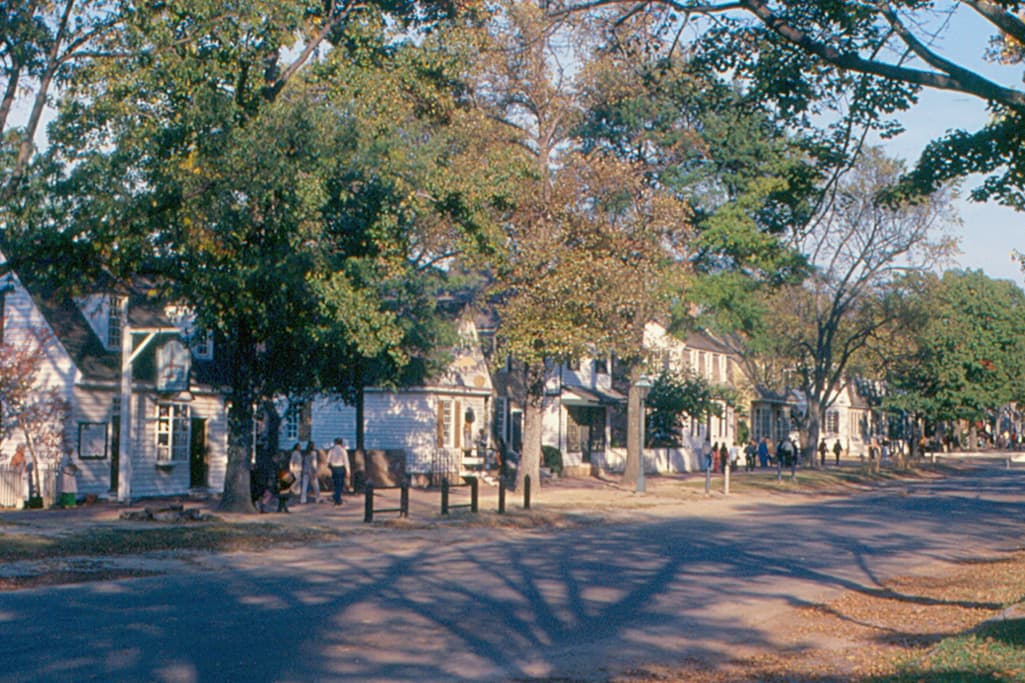
  • Duke of Gloucester Street and the Historic Trades for interpreter-led encounters with work, commerce, skill, and the people who sustained the colonial capital
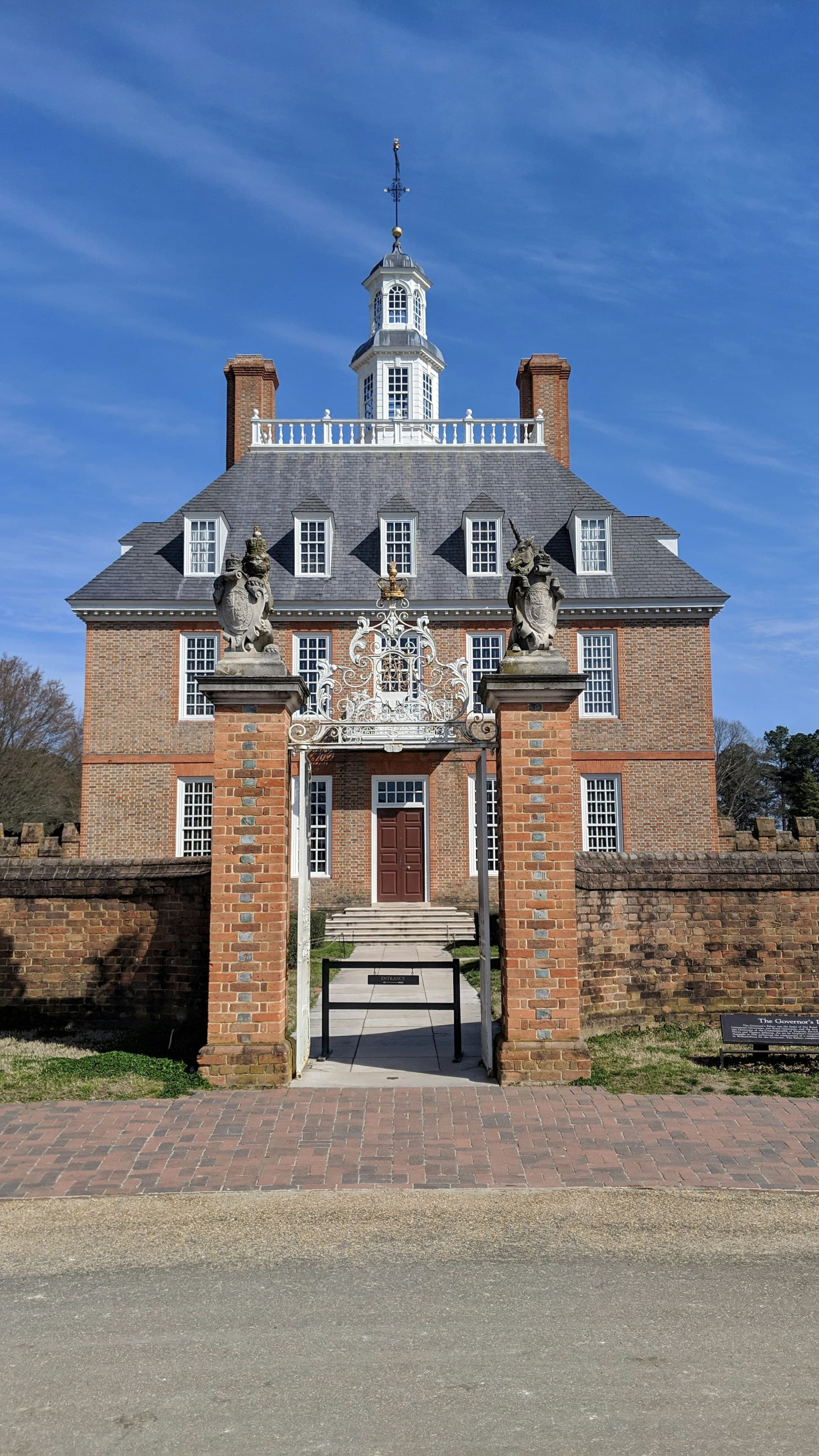
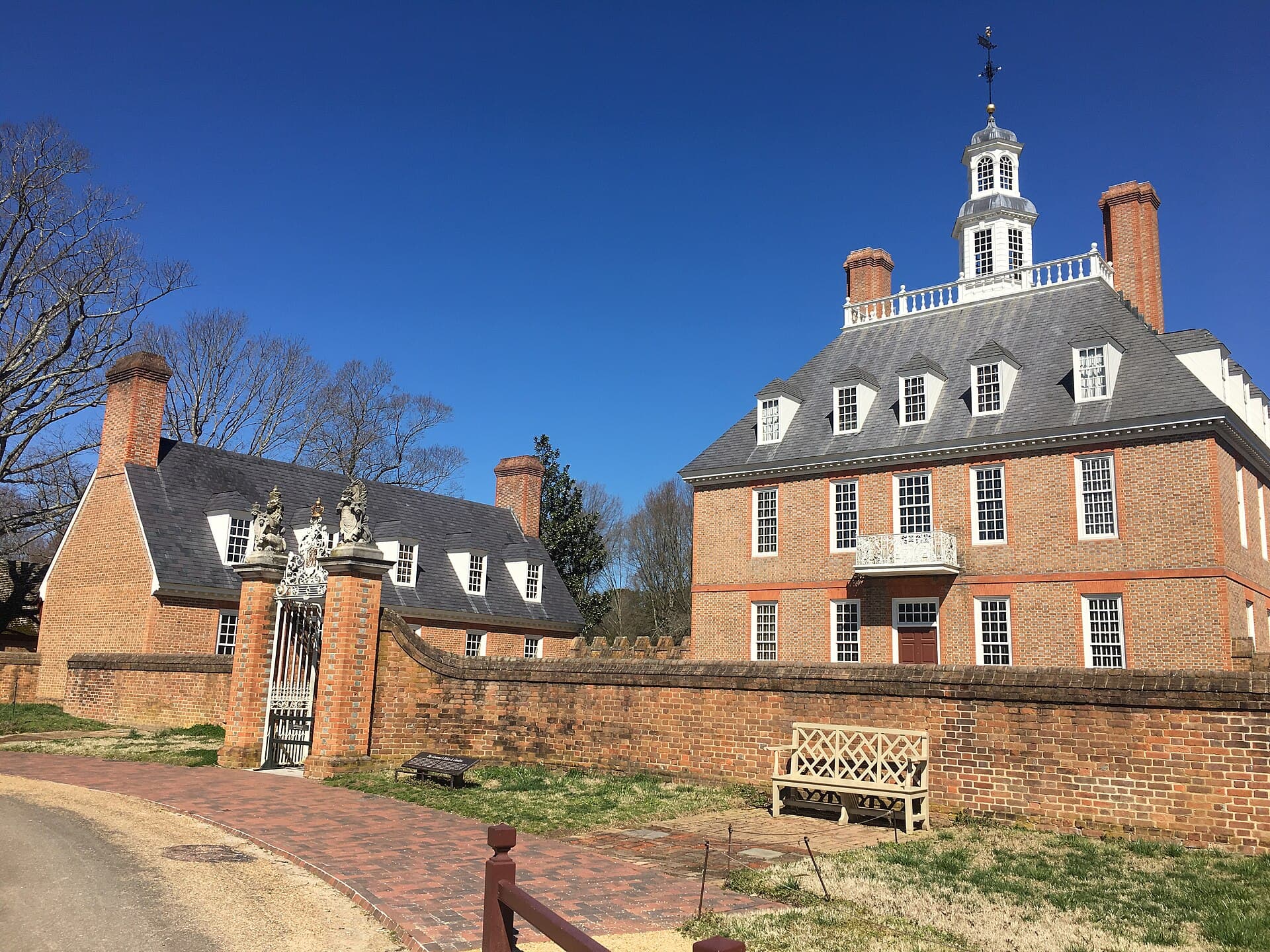
  • The Governor’s Palace, Capitol, and Magazine, where students see where royal power lived, where laws were argued, and where the gunpowder was kept
  • Bruton Parish Church and surrounding community spaces for religion, custom, memory, and the church’s continuing place at the center of Williamsburg

Jamestown: Settlement & Archaeology

  • Jamestown Settlement galleries and re-created Paspahegh town, colonial fort, and 1607 ships for the interactions of Powhatan, English, and West Central African people
  • Historic Jamestowne for the original site, 1607 James Fort archaeology, Memorial Church, New Towne, and the Archaearium’s excavated objects
  • A direct comparison of re-creation, living-history interpretation, documents, artifacts, soil evidence, and original landscape as different ways to investigate the same past

Yorktown: Revolution & Battlefield

  • The American Revolution Museum at Yorktown for galleries, a re-created Continental Army encampment, a Revolution-era farm, and the experiences of people affected by the war
  • Yorktown Battlefield for the visitor-center film and objects, siege lines, Redoubts 9 and 10, Washington’s Headquarters, and Surrender Field
  • The Yorktown Battlefield, where the 1781 siege and British surrender turned revolutionary ideals into American independence
Day by Day

The route your group travels

1
Colonial Williamsburg

Learning theme/Community, Belief & Place

Enter the Colonial Capital

Begin along Duke of Gloucester Street with the scale and layout of Virginia’s eighteenth-century capital. Use interpreter encounters, public spaces, and Bruton Parish Church to introduce the people who lived and worked here and to ask how religion, custom, status, and community expectations shaped everyday colonial life.

2
Colonial Williamsburg Historic Area

Learning theme/Work, Power & Revolutionary Ideas

See How the Capital Worked

Spend a full day in the Historic Area. At the Historic Trades, students study skill, labor, commerce, and interdependence. At the Governor’s Palace, Capitol, and Magazine, students see where royal power lived, where laws were argued, and where the gunpowder was kept, while costumed interpreters put them inside the choices people faced.

3
Jamestown

Learning theme/Settlement, Labor & Archaeological Evidence

Compare Re-Creation with the Original Site

Begin with a reserved program at Jamestown Settlement, using galleries and re-created spaces to examine Powhatan, English, and West Central African experiences. Continue next door to Historic Jamestowne, where the original ground, James Fort archaeology, Memorial Church, New Towne, and Archaearium objects let students compare interpretation with evidence recovered from the site.

4
Yorktown

Learning theme/Revolution, Strategy & Consequences

Follow the Road to Victory

At the American Revolution Museum at Yorktown, use galleries, a Continental Army encampment, and a Revolution-era farm to examine the war’s ideas and effects. Continue to Yorktown Battlefield for the visitor center and selected tour-road stops, including siege works, Redoubts 9 and 10, and Surrender Field, before beginning the journey home.

Homeward
Gallery

Williamsburg, Jamestown & Yorktown in pictures

Image credits

Duke of Gloucester Street: roger4336 (CC BY-SA 2.0); The Capitol: Smash the Iron Cage (CC BY-SA 4.0); Fife & Drum Muster: Smash the Iron Cage (CC BY-SA 4.0); The Governor's Palace: Bobjgalindo (CC BY-SA 4.0); Bruton Parish Church: Kathy (CC BY 2.0); Carriage Through the Historic Area: Joe Ross (CC BY-SA 2.0)

The Details

What's included

  • Transportation to and from Williamsburg, Jamestown, and Yorktown
  • Private motorcoach and local transportation throughout the tour
  • Hotel accommodations
  • All meals; no meal money or dining extras required
  • Experienced educational guide and curriculum-connected trip planning
  • All scheduled historic-site admissions, activities, and selected educational programs
  • Curriculum-connected activities and learning materials
  • Group enrollment and payment-plan support

Not included

  • Travel and trip cancellation insurance
How Planning Works

Three steps to a trip that fits your group

1

Tell us about your group

Who's traveling, when, and where you're coming from. That's all we need to start.

2

We build your quote

Itinerary, hotels, and motorcoach, priced for your group size and your dates.

3

Refine it with your advisor

Adjust the days, the stops, and the pace until it fits. We handle the rest.

Ready to plan your Williamsburg, Jamestown & Yorktown trip?

Tell us your group and your dates. We’ll take it from there.

Request a Quote