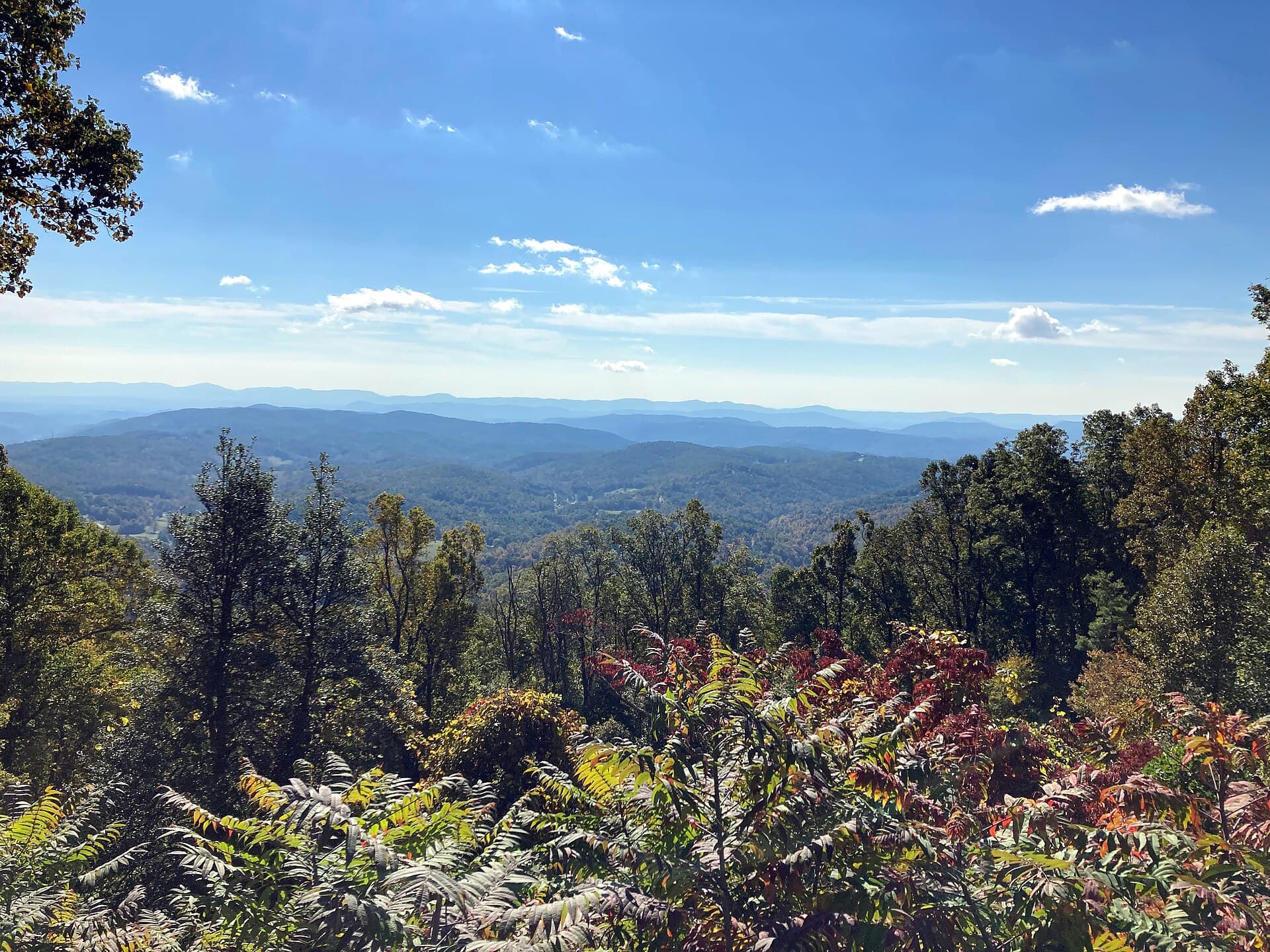
Biltmore & Asheville: History, Design & Mountain Culture
North Carolina History, Design & Appalachian Craft · Domestic · 3 Days

Biltmore & Asheville: History, Design & Mountain Culture

Biltmore turns Gilded Age history into a walkable case study

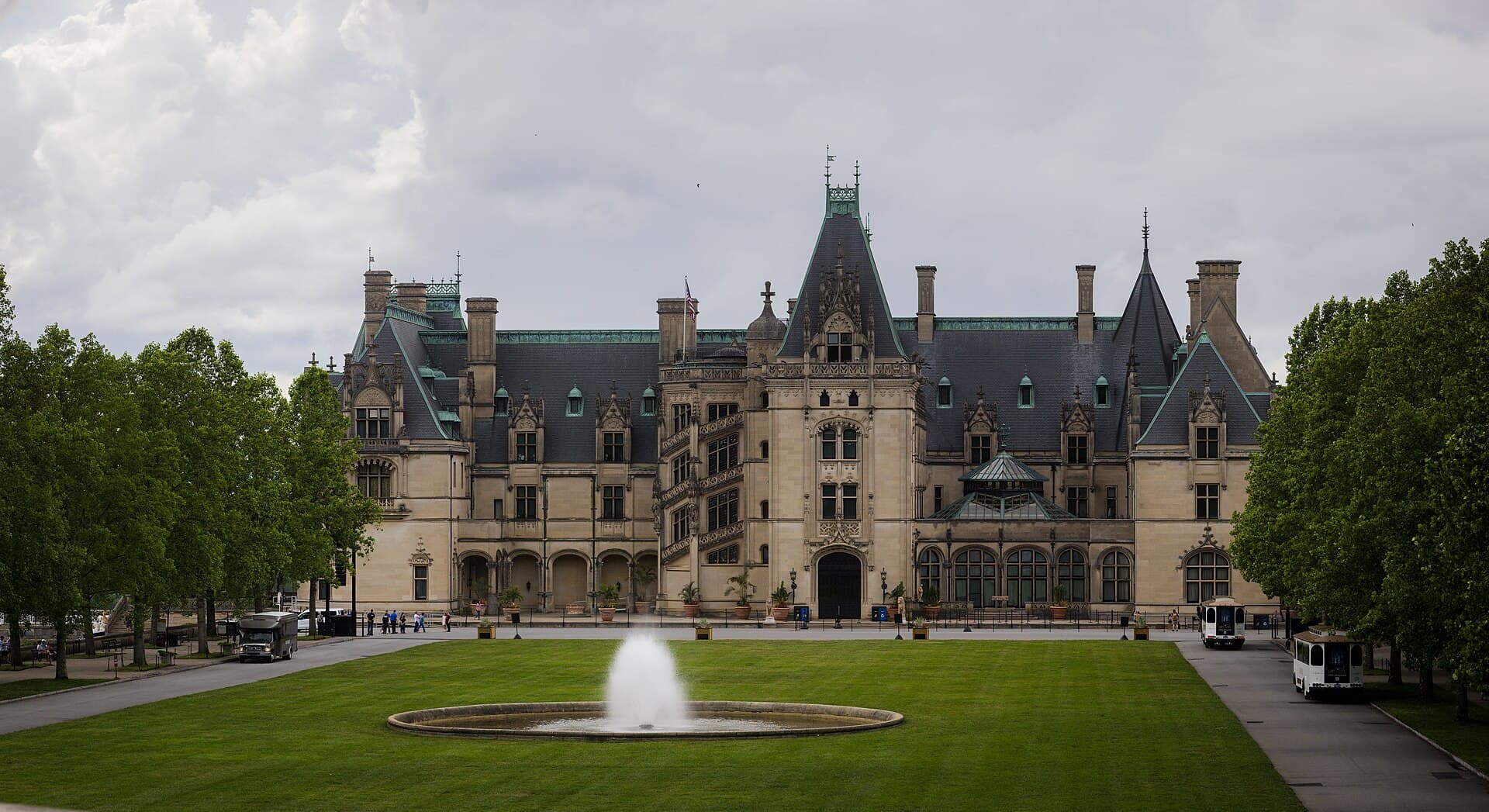
Biltmore is America's largest home, and it turns the Gilded Age into something students can walk through. Inside Biltmore House, the student audio guide follows the Vanderbilt family and the staff and craftspeople who kept the estate running. Outside, Frederick Law Olmsted's Approach Road and formal gardens show how a landscape can be designed as carefully as a building. In Asheville, students meet the region around the estate, from the downtown Architecture Trail to Appalachian makers at the Folk Art Center. During Biltmore's official Christmas season, decorations and evening programming add a vivid seasonal layer for groups that choose those dates.

Curriculum Connection

Four objectives, one living classroom

North Carolina & the Gilded Age

Biltmore's construction brought the Vanderbilt family, paid laborers, and household staff together on one estate. Students use their stories to see how wealth, work, and social change collided in late nineteenth-century North Carolina.

Explore this objective

Records of Biltmore’s construction workforce reveal local general laborers, highly trained craftspeople, racially separated crews, and large differences in pay. Students can compare those workers with the estate’s domestic staff, whose specialized jobs kept the Vanderbilts’ household operating but were often designed to remain unseen.

Close objective

Architecture, Engineering & Work

Use Biltmore House and Asheville’s Architecture Trail to identify design influences, skilled craft, and the different kinds of work required to build and operate ambitious places.

Explore this objective

Building Biltmore House required an on-site brickworks, workshops, storage sheds, and a rail spur carrying local and imported materials to the construction site. On Asheville’s Architecture Trail, students can compare that 1890s project with the city’s 1920s Art Deco and Beaux-Arts buildings, many preserved because Asheville could not afford widespread demolition during its long debt repayment.

Close objective

Landscape Design & Conservation

Look closely at the Approach Road, formal gardens, Conservatory, and managed forest as evidence of Frederick Law Olmsted’s choices about views, native plants, and scientific forestry.

Explore this objective

Along the three-mile Approach Road, students can look for the intentionally limited views, varied plant heights, and gradual changes in light that prepared visitors for the house’s sudden reveal. They can connect that designed experience with Biltmore’s scientific forestry legacy, which began with an effort to restore damaged land and continues through a formal forest-management plan.

Close objective

Appalachian Craft & Cultural Continuity

Meet a working artisan or study gallery objects at the Folk Art Center to compare traditional and contemporary Appalachian materials, techniques, design decisions, and the role of craft in regional identity.

Explore this objective

The Folk Art Center’s historical collection lets students compare woodcarving, textiles, basketry, pottery, furniture, and other work made from the nineteenth century through the present. Meeting a working Guild artist makes technique, design decisions, and the economic value of keeping a regional craft alive visible in real time.

Close objective

The Learning Arc

Intentional learning design

We design each tour with a scaffolded thematic progression wherever the destination and itinerary allow: each day establishes context, gives students evidence to work with, and prepares them for the next idea.

Theme the day. Encounter the evidence. Reflect and connect.

Each day begins with a clear theme and the context students need. At each site, our Storyteller Guides direct attention to the objects, documents, spaces, and stories that make the theme concrete. Short discussions and reflection prompts help students connect the experience to prior learning and carry an idea forward to the next day.

Tour Highlights

What your group will see

Biltmore House, Gardens & Estate Design

  • A reserved student visit inside Biltmore House using the grades 4–12 audio guide to explore the Vanderbilts, their guests and staff, architecture, design, and craftwork
  • The Building Biltmore House story through materials, rail lines, laborers, artisans, engineering, logistics, and technologies that shaped the six-year construction project
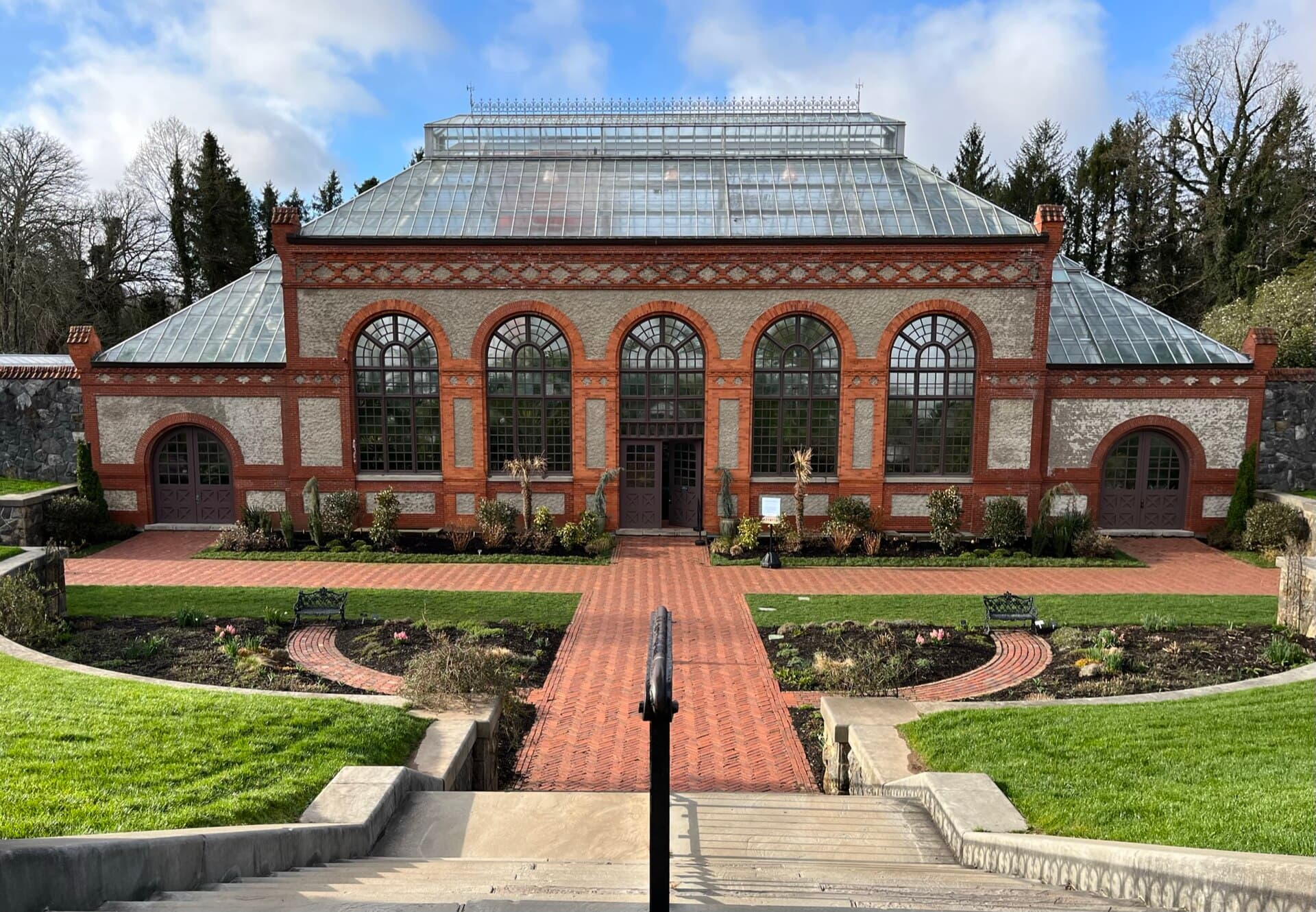
  • The Approach Road, formal gardens, and Conservatory as a field study in Frederick Law Olmsted’s landscape design, restoration, managed forests, and changing seasonal plant life

Asheville History, Architecture & Appalachian Craft

  • The Asheville Museum of History at the Smith-McDowell House for permanent and changing exhibits that interpret Western North Carolina’s past
  • Pack Square and selected Asheville Architecture Trail stops for Art Deco, Beaux-Arts, civic buildings, tourism, economic growth, and the city’s Depression-era story
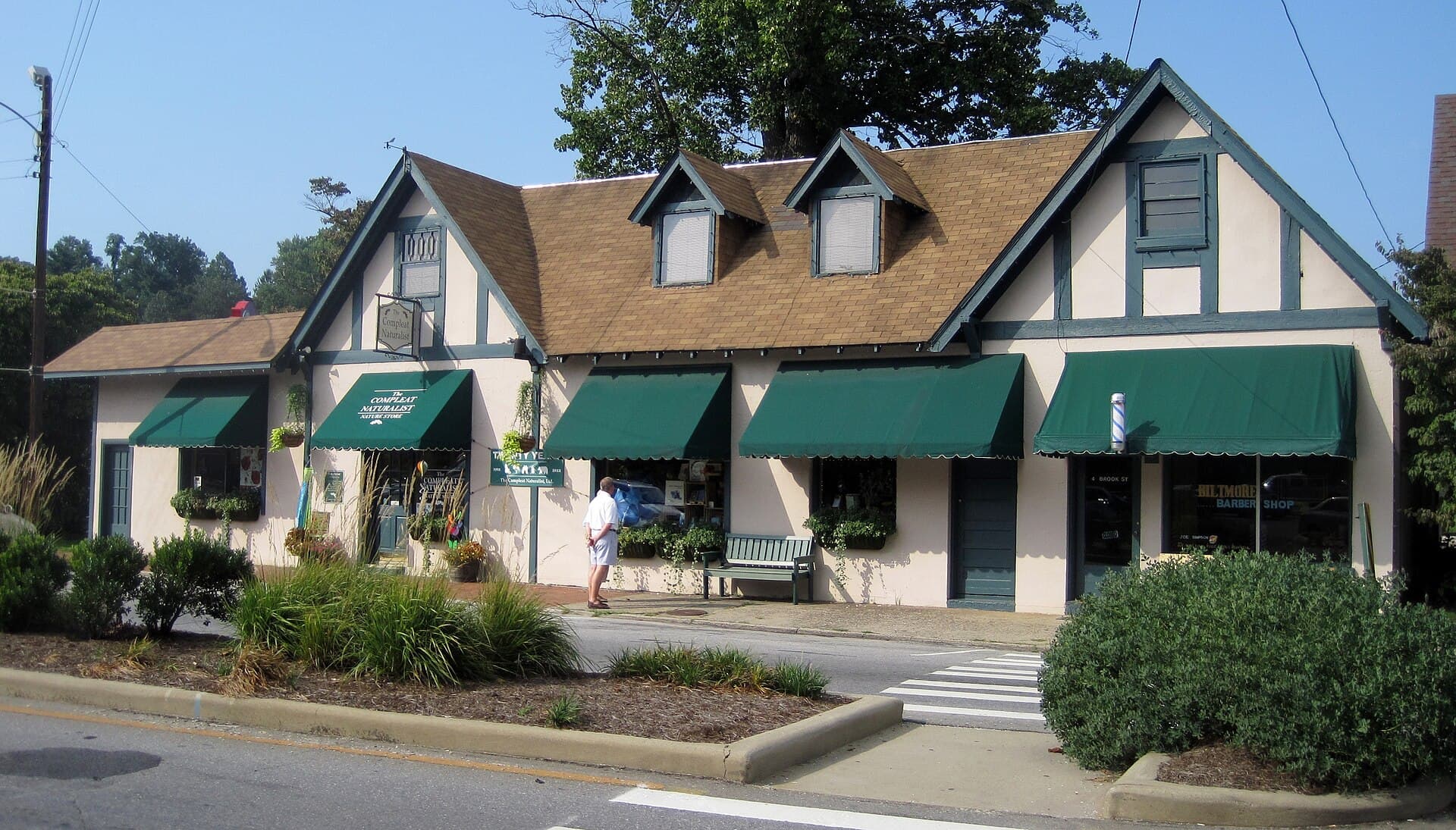
  • Biltmore Village and the Folk Art Center for planned-community design, estate-worker history, Appalachian craft collections, and an artisan demonstration or student program
Day by Day

The route your group travels

1
Asheville Museum of History & Downtown Asheville

Learning theme/Western North Carolina History & Public Memory

Place Biltmore within Asheville’s Story

Arrive in Asheville and begin with a reserved group visit at the Asheville Museum of History in the Smith-McDowell House. Continue to Pack Square for a guided selection from the Asheville Architecture Trail, comparing civic buildings, Art Deco design, tourism growth, and the Depression while establishing the city context students will carry into Biltmore.

2
Biltmore Estate

Learning theme/Gilded Age Design, Labor & Estate Systems

Study Biltmore as a Designed System

Spend a full day at Biltmore Estate. A timed student audio visit inside Biltmore House follows the family upstairs and the working staff below, through craftwork, construction, and early technology. After lunch, examine the Approach Road, formal gardens, and Conservatory through Olmsted’s design principles, then use selected estate exhibits or Antler Hill Village to consider farming, forestry, preservation, and the estate’s continuing operation.

3
Biltmore Village & Folk Art Center

Learning theme/Community Planning, Craft & Cultural Continuity

From Estate Village to Appalachian Makers

Walk the historic core of Biltmore Village, reading its cottage forms, pebbledash walls, street pattern, church, and original purpose as a planned community built to serve the estate. Continue to the Folk Art Center for gallery study and an artisan demonstration or student program focused on materials, technique, design, and Appalachian cultural continuity before departure.

Homeward
Gallery

Biltmore & Asheville: History, Design & Mountain Culture in pictures

Image credits

Downtown Asheville: Carol M. Highsmith (Public domain); Biltmore House: WillThomas (CC BY 4.0); Italian Garden: P. Hughes (CC BY-SA 4.0); Blue Ridge Parkway Overlook: Michael Barera (CC BY-SA 4.0)

The Details

What's included

  • Airfare or motorcoach transportation to and from Asheville, North Carolina, according to the final group plan
  • Private motorcoach and local transportation throughout the tour
  • Hotel accommodations
  • All meals; no meal money or dining extras required
  • All scheduled admissions, activities, and guided experiences, including Biltmore Estate
  • Experienced educational guide and curriculum-connected trip planning
  • Curriculum-connected activities and learning materials
  • Group enrollment and payment-plan support

Not included

  • Travel and trip cancellation insurance
How Planning Works

Three steps to a trip that fits your group

1

Tell us about your group

Who's traveling, when, and where you're coming from. That's all we need to start.

2

We build your quote

Itinerary, hotels, and motorcoach, priced for your group size and your dates.

3

Refine it with your advisor

Adjust the days, the stops, and the pace until it fits. We handle the rest.

Ready to plan your Biltmore & Asheville: History, Design & Mountain Culture trip?

Tell us your group and your dates. We’ll take it from there.

Request a Quote