New York City: Immigration, Icons & Broadway
Immigration, Design, Museums & Broadway · City Tours · 4–5 Days

New York City: Immigration, Icons & Broadway

Explore New York through immigration, iconic landmarks, and Broadway

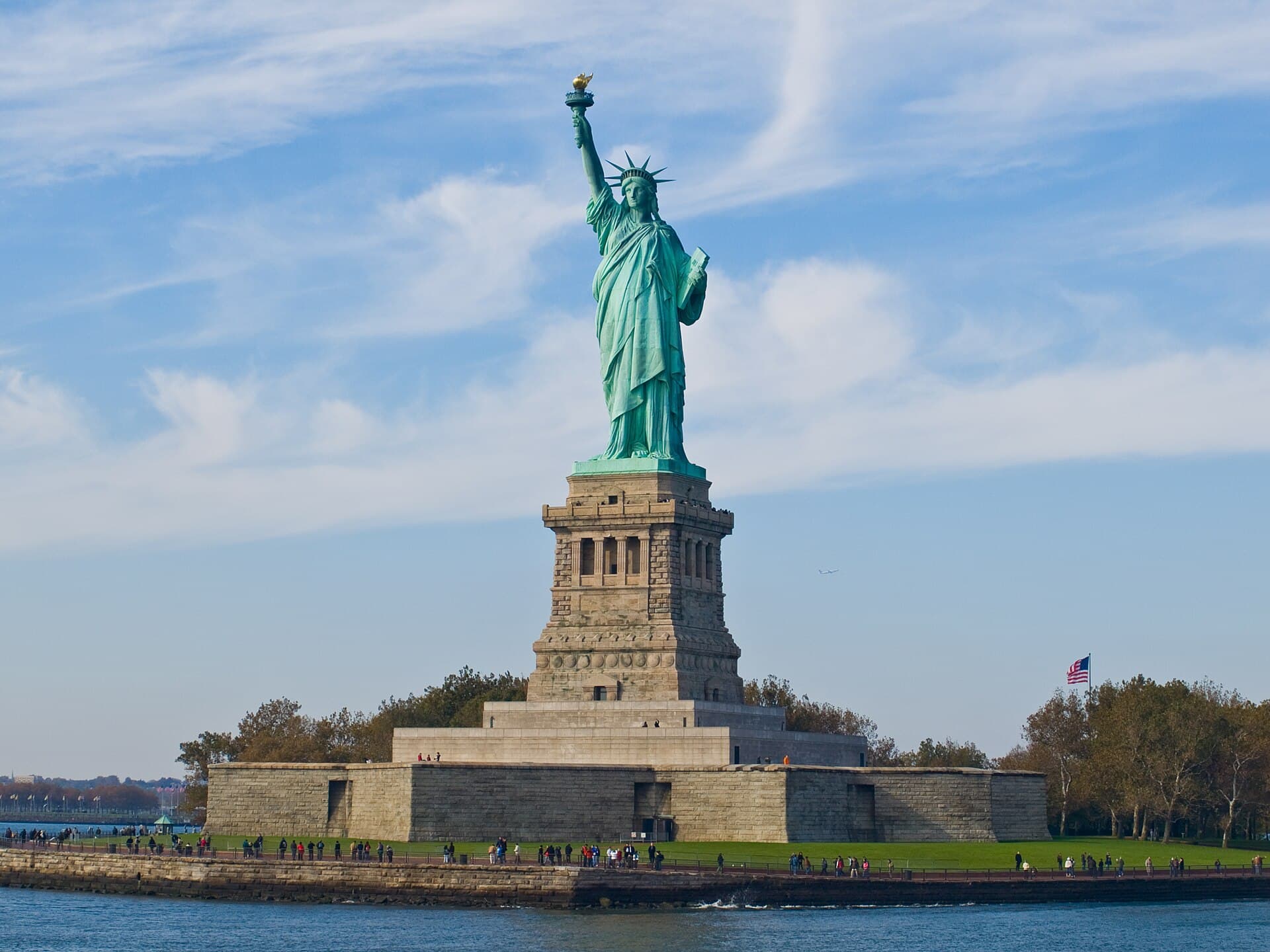
New York lets students see the immigrant story where it actually happened. They view the Statue of Liberty from the water, the way millions of new arrivals first saw it, walk the halls at Ellis Island, and step inside recreated apartments at the Tenement Museum, where whole families lived in a few small rooms. They cross the Brooklyn Bridge on foot and spend a guided hour with a museum educator at The Metropolitan Museum of Art. Students leave understanding how ordinary people built America's largest city. Groups interested in theater can add the Museum of Broadway and a live Broadway show.

Curriculum Connection

Four objectives, one living classroom

Immigration & Identity

Use Ellis Island’s immigration exhibits and a Tenement Museum apartment program to compare national immigration history with the choices, work, neighborhoods, and family stories of individual newcomers.

Explore this objective

At Ellis Island’s Registry Room and Hearing Room, students can trace how inspectors used passenger manifests and face-to-face questioning to decide who could enter the country. Inside a re-created Tenement Museum apartment, rooms and household objects shift the focus from federal rules to how working-class families built lives in a crowded neighborhood.

Close objective

Architecture, Infrastructure & Public Space

Study how the Brooklyn Bridge, Grand Central Terminal, and Central Park solve different city problems through engineering, circulation, preservation, and intentional design for movement and public use.

Explore this objective

At the Brooklyn Bridge, students can connect its 1,595.5-foot main span and former world-record status to the challenge of linking Manhattan and Brooklyn across the East River. In Central Park’s circulation system, bridges, arches, and sunken transverse roads show how designers separated competing forms of traffic without breaking the park landscape apart.

Close objective

Museum Inquiry & Global Collections

At The Met, a museum educator helps students look closely at works of art and discover what they can tell us about people, places, and the past.

Explore this objective

Students begin with close looking at one selected work, collecting visual evidence before deciding what it may mean. A museum-guided conversation then tests how material, scale, and point of view can change what an object communicates about its culture and time.

Close objective

Theater History & Production

At the Museum of Broadway, students explore Broadway’s history and the writing, music, design, technology, and backstage work behind a production. Then, at a live performance, they see those elements come together onstage.

Explore this objective

In the Museum of Broadway’s timeline and Map Room, students can follow how theaters migrated through New York and helped create today’s Theater District. The Making of a Broadway Show exhibit introduces onstage and backstage roles, giving students specific choices in writing, design, technology, and performance to watch for during the live production.

Close objective

The Learning Arc

Intentional learning design

We design each tour with a scaffolded thematic progression wherever the destination and itinerary allow: each day establishes context, gives students evidence to work with, and prepares them for the next idea.

Theme the day. Encounter the evidence. Reflect and connect.

Each day begins with a clear theme and the context students need. At each site, our Storyteller Guides direct attention to the objects, documents, spaces, and stories that make the theme concrete. Short discussions and reflection prompts help students connect the experience to prior learning and carry an idea forward to the next day.

Tour Highlights

What your group will see

Harbor, Immigration & Public Memory

  • The Statue of Liberty and Ellis Island National Museum of Immigration, seen from the water the way millions of new arrivals first saw them
  • A specialized K–12 program at the Tenement Museum, where recreated apartments, objects, and neighborhood stories connect immigration history with individual lives
  • The outdoor 9/11 Memorial as a place to consider how names, landscape, and design preserve public memory

City Design & Infrastructure

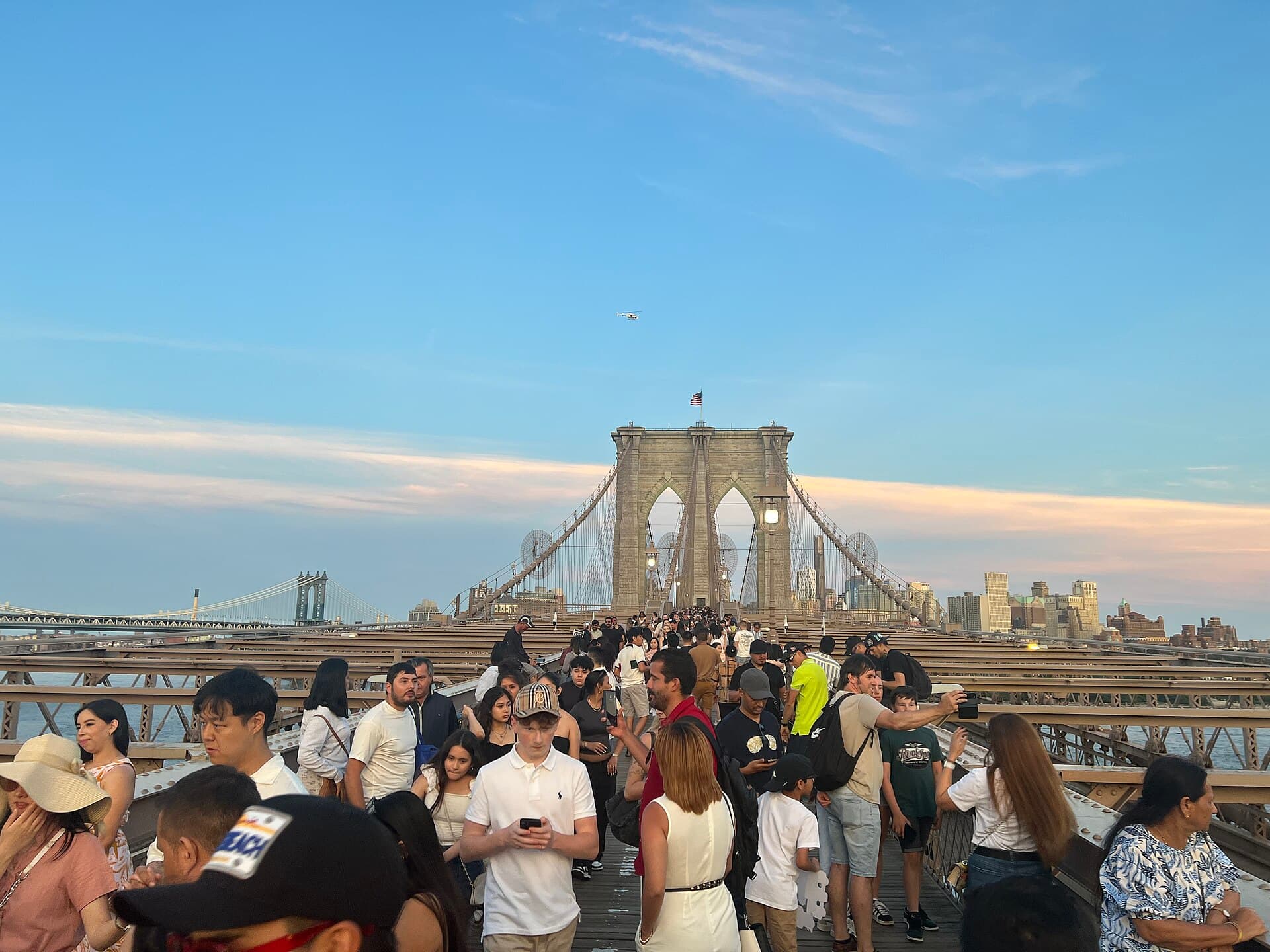
  • The Brooklyn Bridge as a working piece of transportation infrastructure and a visible lesson in suspension-bridge engineering
  • Grand Central Terminal for transportation, civic architecture, preservation, and the way a major terminal helped shape Midtown
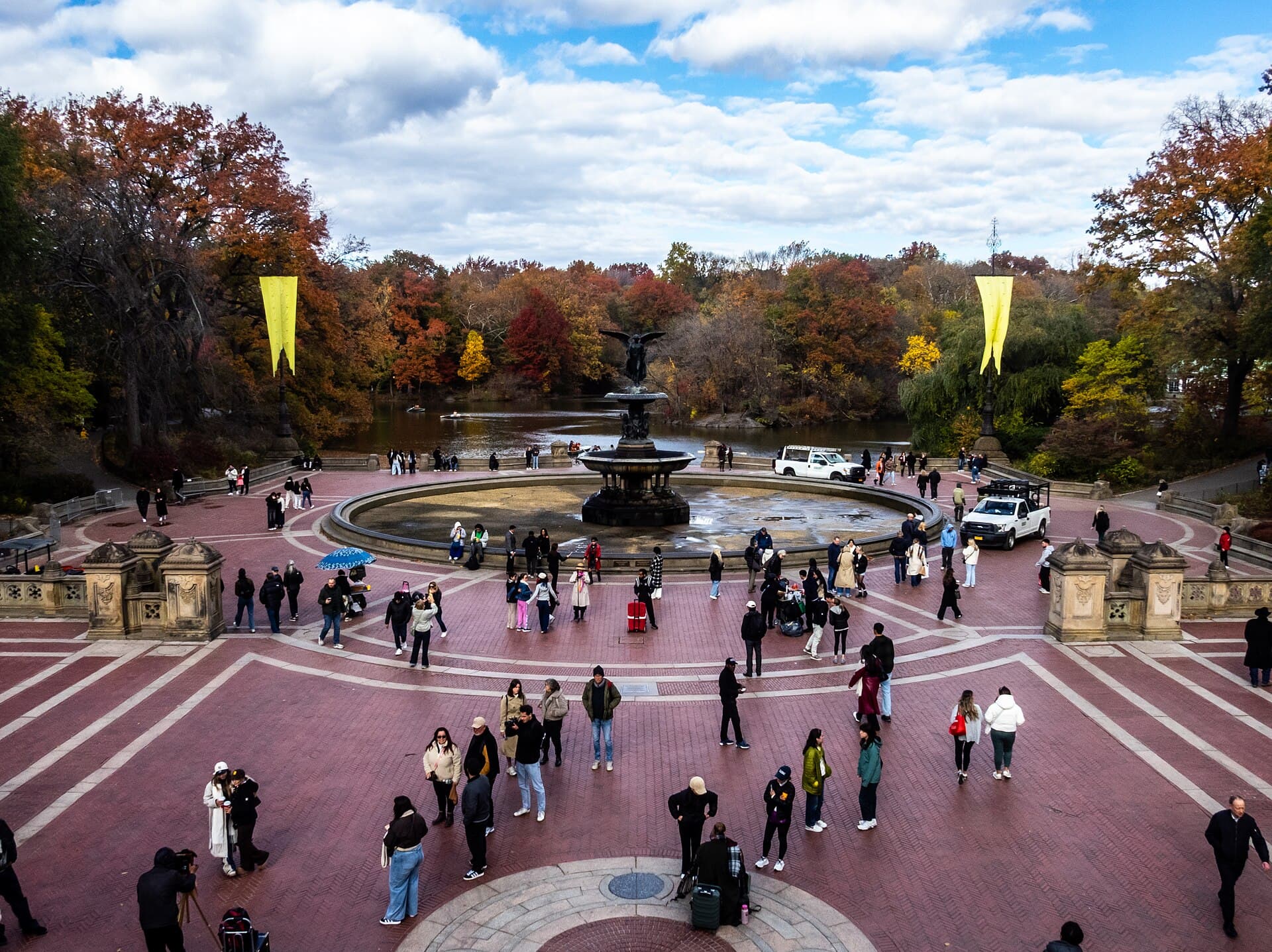
  • Central Park as an intentionally designed public landscape, with paths, drives, bridges, water, and varied terrain directing how people move through the park

Collections & Broadway

  • An educator-led Metropolitan Museum of Art visit built around close looking, inquiry, evidence, and a topic selected with the teacher
  • The Museum of Broadway for the history of the Theater District, landmark productions, and a behind-the-scenes look at the jobs involved in making a show
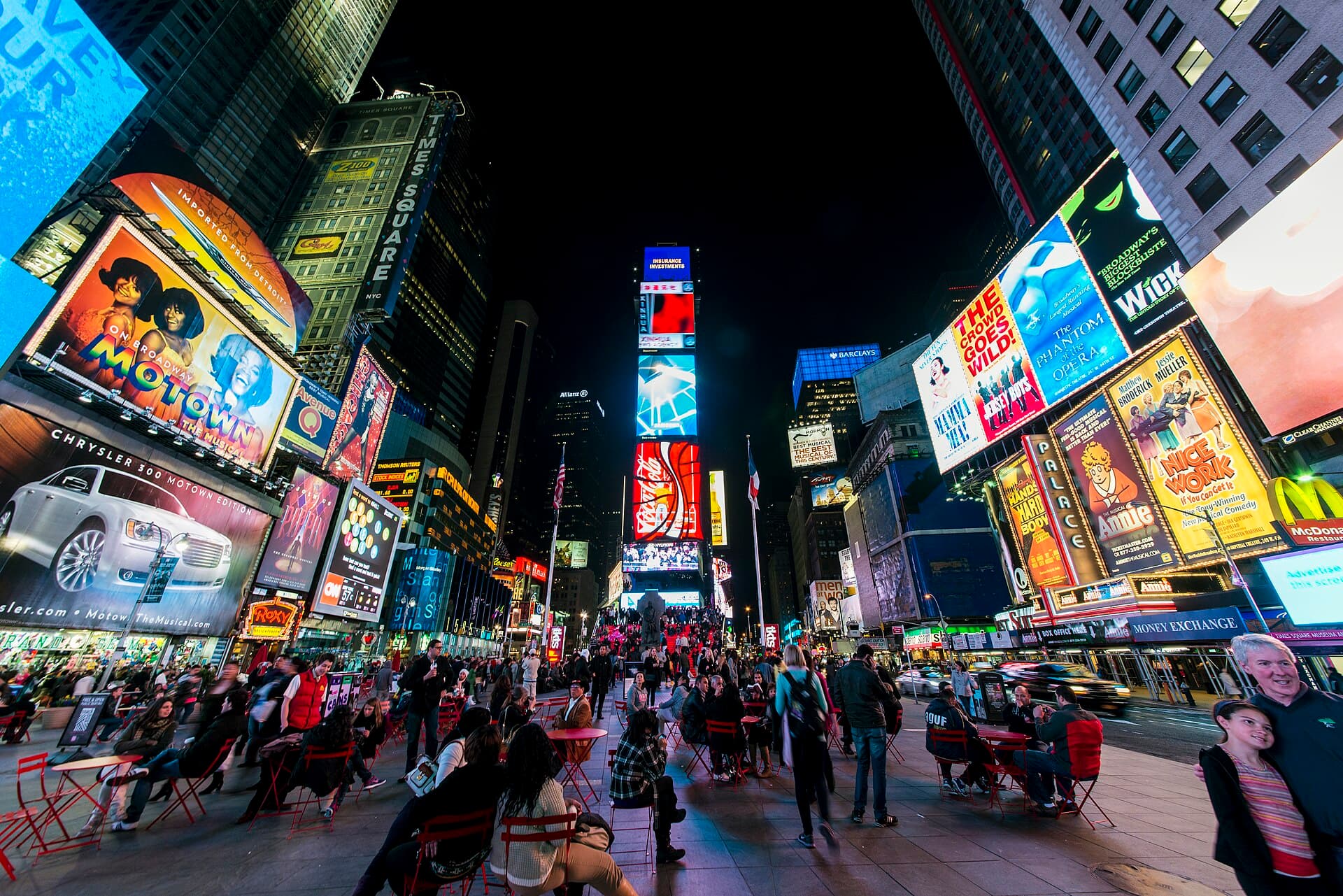
  • A live Broadway performance, where the writing, music, design, and backstage work students have studied come together onstage
Day by Day

The route your group travels

1
Theater District, Midtown Manhattan

Learning theme/Performance, Collaboration & Cultural History

See How Broadway Comes Together

With an early-afternoon arrival, begin with a timed Museum of Broadway visit, then attend a Broadway performance after dinner. A later arrival moves the museum to another Midtown block. This opening connects performance, design, labor, and collaboration while keeping the evening schedule realistic.
2
New York Harbor & Lower Manhattan

Learning theme/Immigration, Citizenship & Public Memory

Follow the Harbor’s Immigration Stories

Take a reserved morning ferry from The Battery to Liberty Island and Ellis Island. After returning to Lower Manhattan, use the outdoor 9/11 Memorial for a prepared, age-appropriate study of names, landscape, and public remembrance.

3
Lower East Side, Lower Manhattan & Brooklyn

Learning theme/Neighborhood Lives & Engineering

Connect Personal Stories to City Systems

Begin with a reserved K–12 apartment or neighborhood program at the Tenement Museum, using recreated spaces, objects, and family stories to study immigration and community life. Continue by transit to the Brooklyn Bridge, where students examine its towers, cables, pedestrian circulation, and relationship to the East River before viewing the skyline from Brooklyn.

4
The Met Fifth Avenue & Central Park

Learning theme/Museum Inquiry & Designed Landscapes

Look Closely at Objects and Public Space

At The Metropolitan Museum of Art, a museum educator helps students look closely at works of art, notice important details, and connect what they see to history and culture. Continue directly into Central Park to compare the city grid with Olmsted and Vaux’s designed landscapes, paths, drives, bridges, and water features, all within an easy walk on the Upper East Side.

5
Grand Central, Midtown Manhattan

Learning theme/Transportation, Architecture & Preservation

Finish with the City in Motion

Spend the final morning at Grand Central Terminal, using the Main Concourse, circulation patterns, architectural details, and preservation story to connect transportation with Midtown’s growth. Students identify how a public building directs movement while remaining a civic landmark, then begin the journey home from New York City.

Homeward
Gallery

New York City: Immigration, Icons & Broadway in pictures

Image credits

Statue of Liberty: William Warby (CC BY 2.0); Times Square: chensiyuan (CC BY-SA 4.0); Bethesda Fountain in Central Park: Julian Lupyan (CC0 1.0); Walking the Brooklyn Bridge: EazyDee107 (CC0 1.0); Grand Central Terminal: Axel Tschentscher (CC BY-SA 4.0); 9/11 Memorial: Kidfly182 (CC BY 4.0); Midtown from Above: Diliff (CC BY-SA 3.0); Manhattan from Top of the Rock: Courtney Cook (Unsplash License)

The Details

What's included

  • Transportation to and from New York City
  • Private motorcoach and local transportation throughout the tour
  • Hotel accommodations
  • All meals; no meal money or dining extras required
  • Experienced educational guide and curriculum-connected trip planning
  • All scheduled admissions, activities, ferry tickets, and selected Broadway performance
  • Curriculum-connected activities and learning materials
  • Group enrollment and payment-plan support

Not included

  • Travel and trip cancellation insurance
How Planning Works

Three steps to a trip that fits your group

1

Tell us about your group

Who's traveling, when, and where you're coming from. That's all we need to start.

2

We build your quote

Itinerary, hotels, and motorcoach, priced for your group size and your dates.

3

Refine it with your advisor

Adjust the days, the stops, and the pace until it fits. We handle the rest.

Ready to plan your New York City: Immigration, Icons & Broadway trip?

Tell us your group and your dates. We’ll take it from there.

Request a Quote