Niagara Falls and Buffalo Discovery
Falls, Power & Presidential History · Nature · 3–4 Days

Niagara Falls and Buffalo Discovery

Explore Niagara Falls, hydroelectric power, and Buffalo history

Niagara Falls is the starting point, not the entire story. Students observe how the river and gorge were formed, experience the falls at close range, and connect the movement of water to hydroelectric power. In Buffalo, the route expands into presidential history at the Theodore Roosevelt Inaugural National Historic Site, design and engineering at Frank Lloyd Wright’s Martin House, and the Erie Canal’s role in regional growth. The Niagara Falls Underground Railroad Heritage Center connects the river to freedom-seeker stories and the geography of crossing into Canada. The tour can remain entirely on the U.S. side or add a Canadian perspective.

Curriculum Connection

Four objectives, one living classroom

Natural Forces

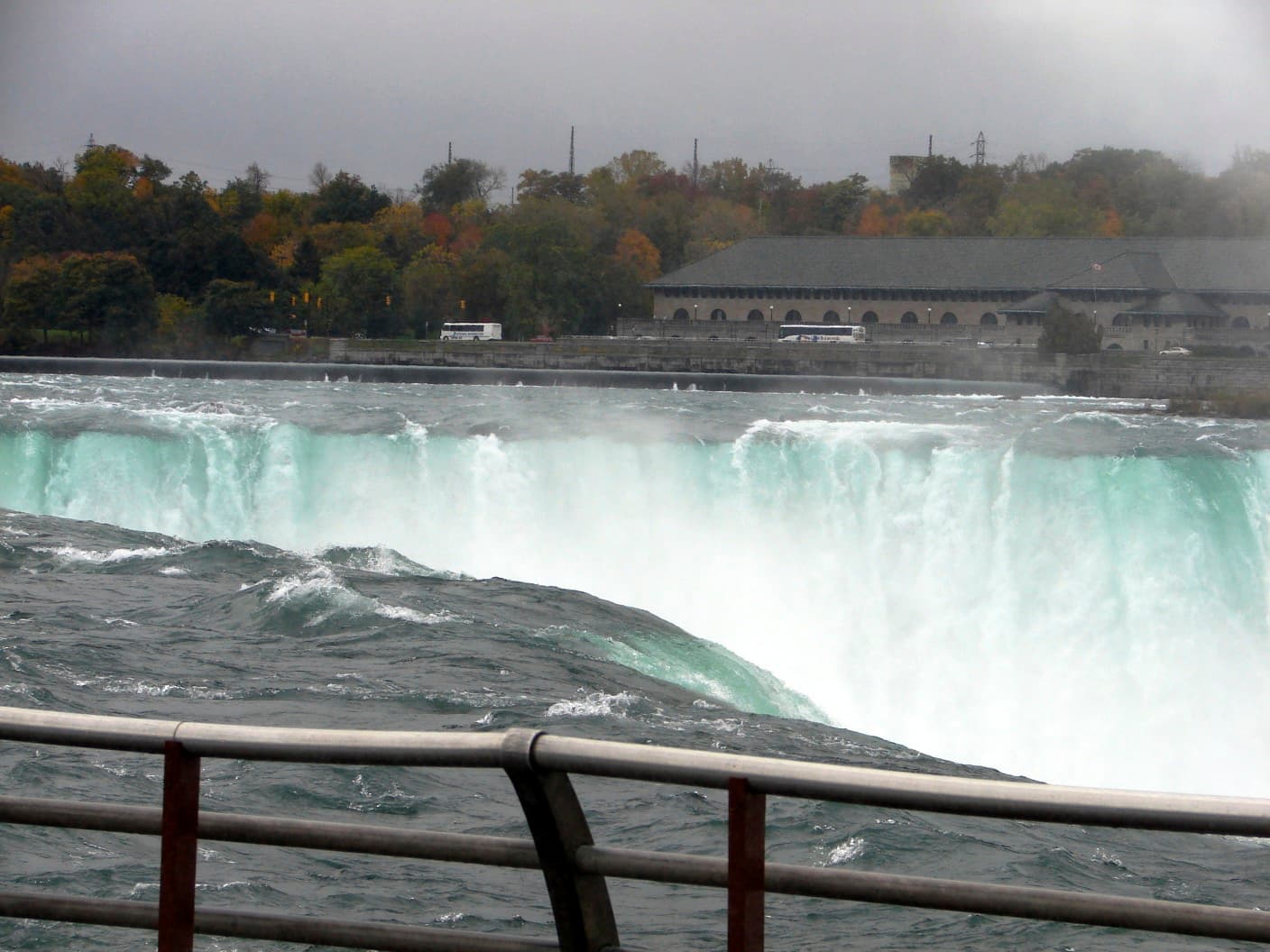
At Niagara Falls State Park and along the gorge, students observe how water, rock, ice, and erosion continue to shape a landscape they can see and hear at close range.

Explore this objective

New York geological sources place the falls’ formation at the end of the last ice age and treat the gorge as evidence of continuing upstream retreat. Students can use visible rock layers to explain why hard caprock and softer layers erode differently and how the gorge records the falls’ movement through time.

Close objective

Power & Engineering

At Niagara Power Vista and along the Erie Canal, students trace how moving water becomes hydroelectric power and how locks and canals carried the region's growth.

Explore this objective

The New York Power Authority explains that Niagara River water travels through a gated tunnel to reservoirs before spinning turbines at the Robert Moses and Lewiston plants. At the Power Vista, students can map one drop’s path from river to generator before comparing it with the Erie Canal’s locks, moving boats across changing elevation.

Close objective

Presidency & Public Memory

At the Theodore Roosevelt Inaugural National Historic Site, students examine the 1901 transfer of presidential power, the Pan-American Exposition, and how Buffalo interprets this national turning point.

Explore this objective

Theodore Roosevelt took the oath in the Wilcox home on September 14, 1901, after President McKinley died following the shooting at the Pan-American Exposition. Because the site’s student programs use original documents, artifacts, and role-play, students can compare an improvised inauguration with today’s planned ceremony and examine how a local crisis transferred national power.

Close objective

Freedom & Borderlands

The Underground Railroad Heritage Center uses freedom-seeker stories and the Niagara River’s location along the Canadian border to show how geography shaped movement, risk, and the pursuit of freedom.

Explore this objective

The Heritage Center stands beside the former International Suspension Bridge crossing and tells how Black workers at the Cataract House helped freedom seekers reach Canada. This lets students see the border as both danger and possibility and identify free Black residents as active Underground Railroad leaders, not background figures.

Close objective

The Learning Arc

Intentional learning design

We design each tour with a scaffolded thematic progression wherever the destination and itinerary allow: each day establishes context, gives students evidence to work with, and prepares them for the next idea.

Theme the day. Encounter the evidence. Reflect and connect.

Each day begins with a clear theme and the context students need. At each site, our Storyteller Guides direct attention to the objects, documents, spaces, and stories that make the theme concrete. Short discussions and reflection prompts help students connect the experience to prior learning and carry an idea forward to the next day.

Tour Highlights

What your group will see

The Falls & Water Power

  • Niagara Falls State Park and Goat Island as outdoor field sites for observing the river, gorge, overlooks, and the forces shaping the landscape
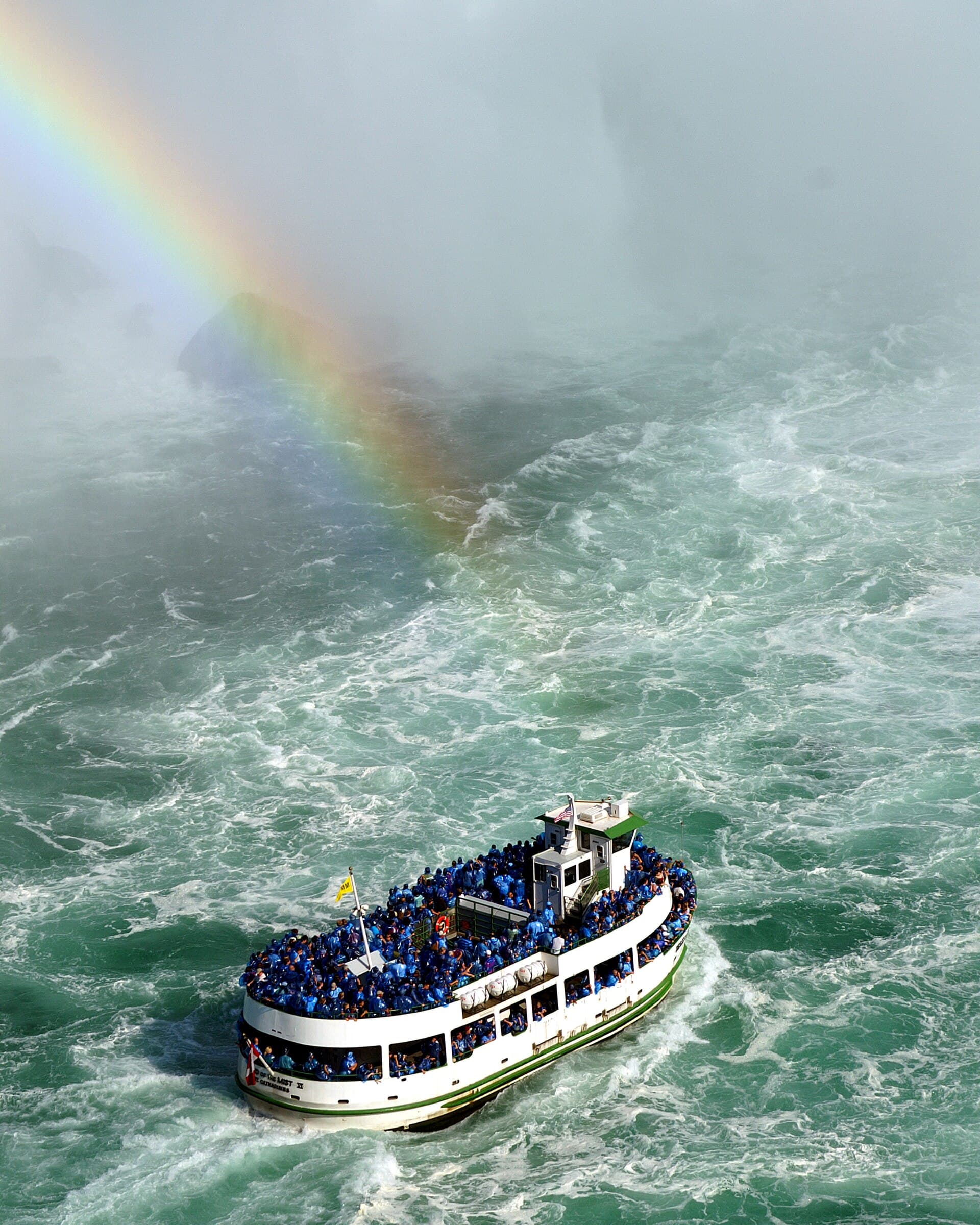
  • Maid of the Mist or Cave of the Winds for a close-range encounter with the movement, sound, and scale of the falls
  • Niagara Power Vista for hands-on exhibits connecting the river to hydroelectric generation and the electrical systems students use every day

Buffalo & Borderland History

  • Theodore Roosevelt Inaugural National Historic Site for the 1901 transfer of presidential power and Buffalo’s Pan-American Exposition story
  • Frank Lloyd Wright’s Martin House for architecture, art glass, engineering, and the design choices behind one of Buffalo’s defining landmarks
  • Canalside and the Erie Canal waterfront for Great Lakes geography, transportation, regional industry, and the waterways that shaped Buffalo
  • Niagara Falls Underground Railroad Heritage Center for freedom-seeker stories and the river’s role as a crossing point into Canada
Day by Day

The route your group travels

1
Niagara Falls

Learning theme/Observation, Water & Landscape

Meet the Niagara River

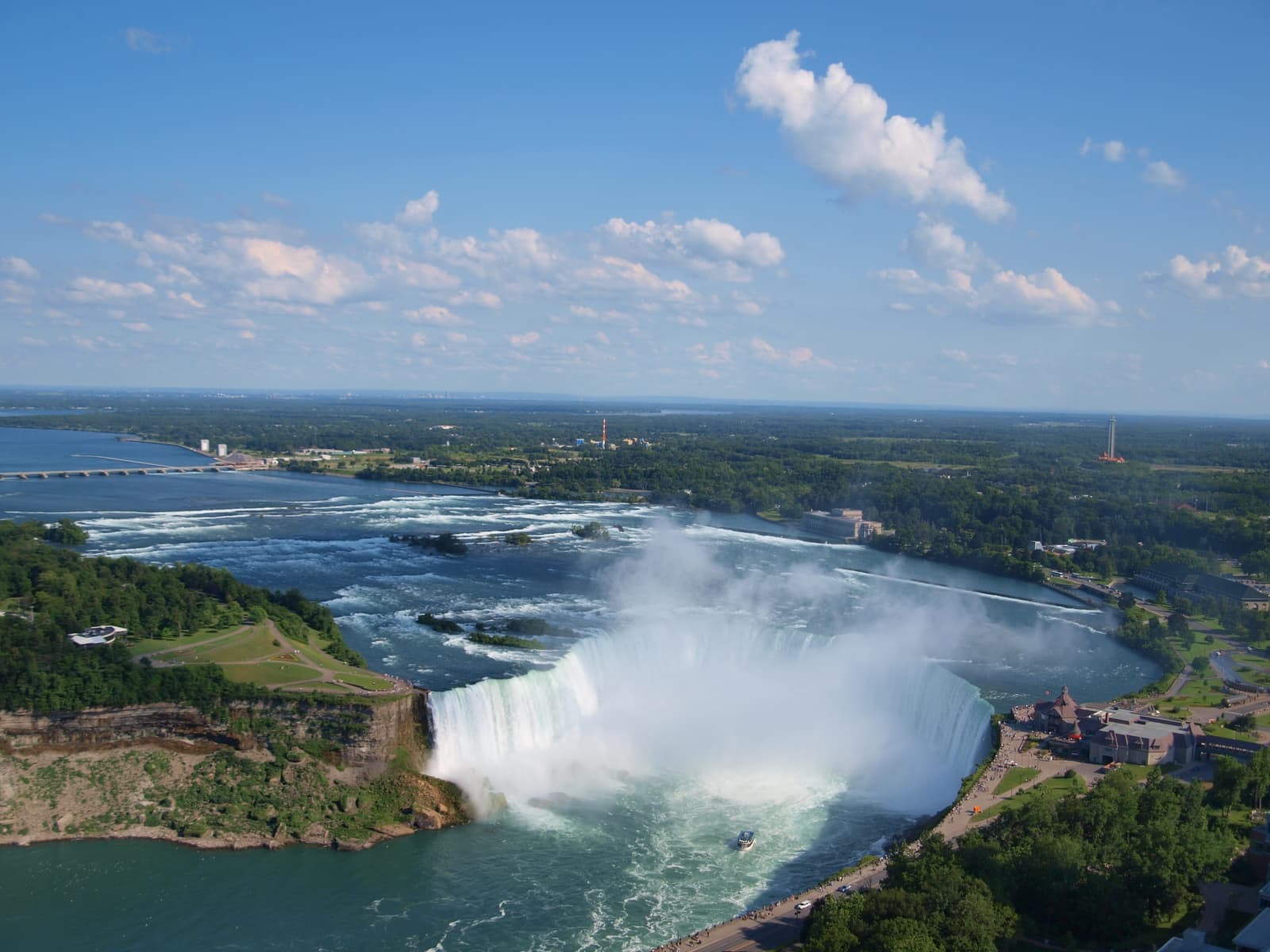
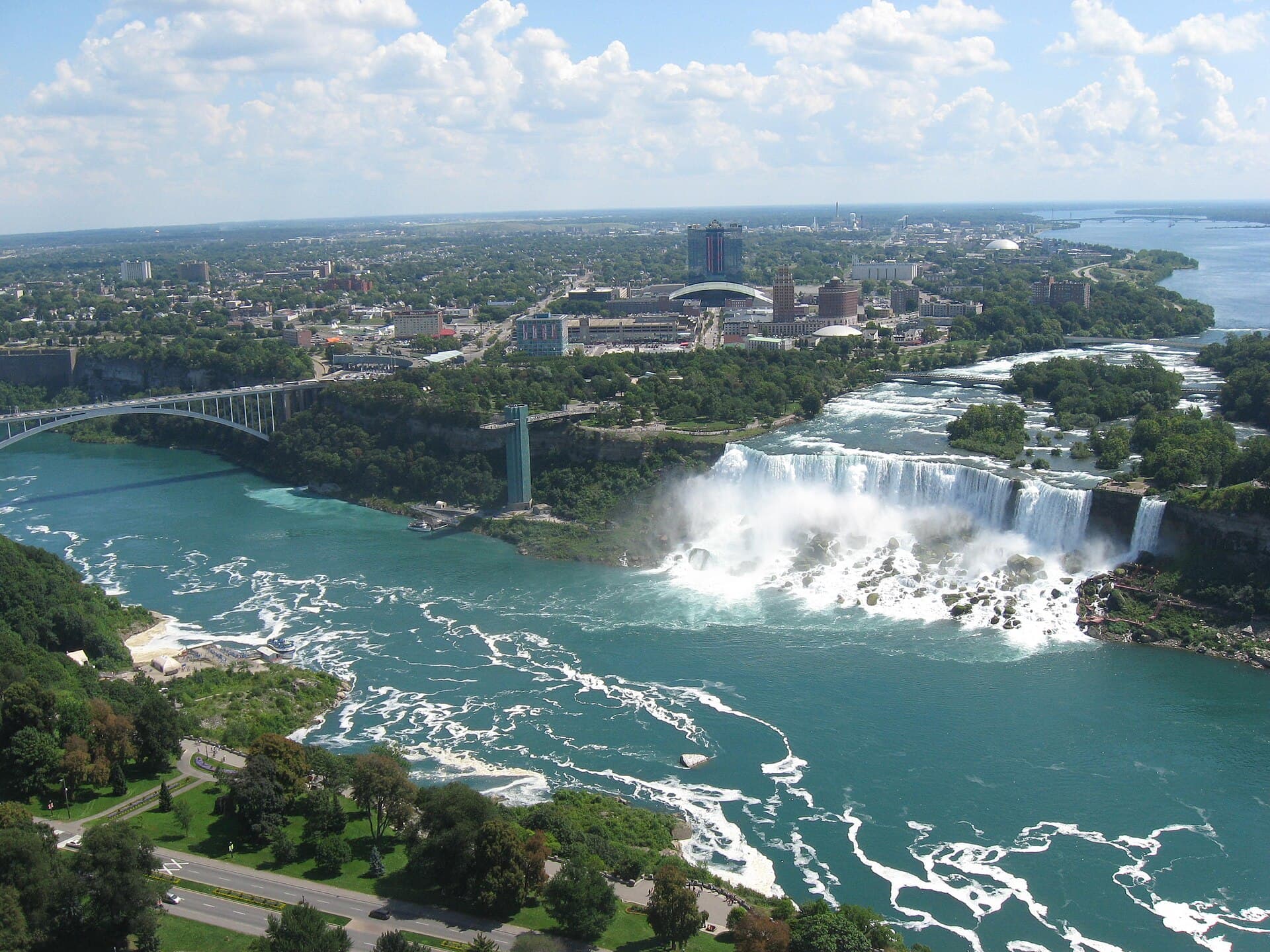
Begin at Niagara Falls State Park with a guided first look at the American Falls, the Niagara River, the gorge, and Goat Island. Students establish the scale and geography of the region before using overlooks and an evening view of the falls to record their first observations.
2
Niagara Falls & Lewiston

Learning theme/Natural Forces & Water Power

Into the Falls and Power Systems

Choose Maid of the Mist or Cave of the Winds for a close-range falls experience appropriate to the season and group. Continue to Niagara Power Vista, where interactive exhibits show how the river's force becomes the electricity the region uses every day.

3
Buffalo

Learning theme/Presidential History, Design & Regional Growth

Buffalo, Presidents, and Architecture

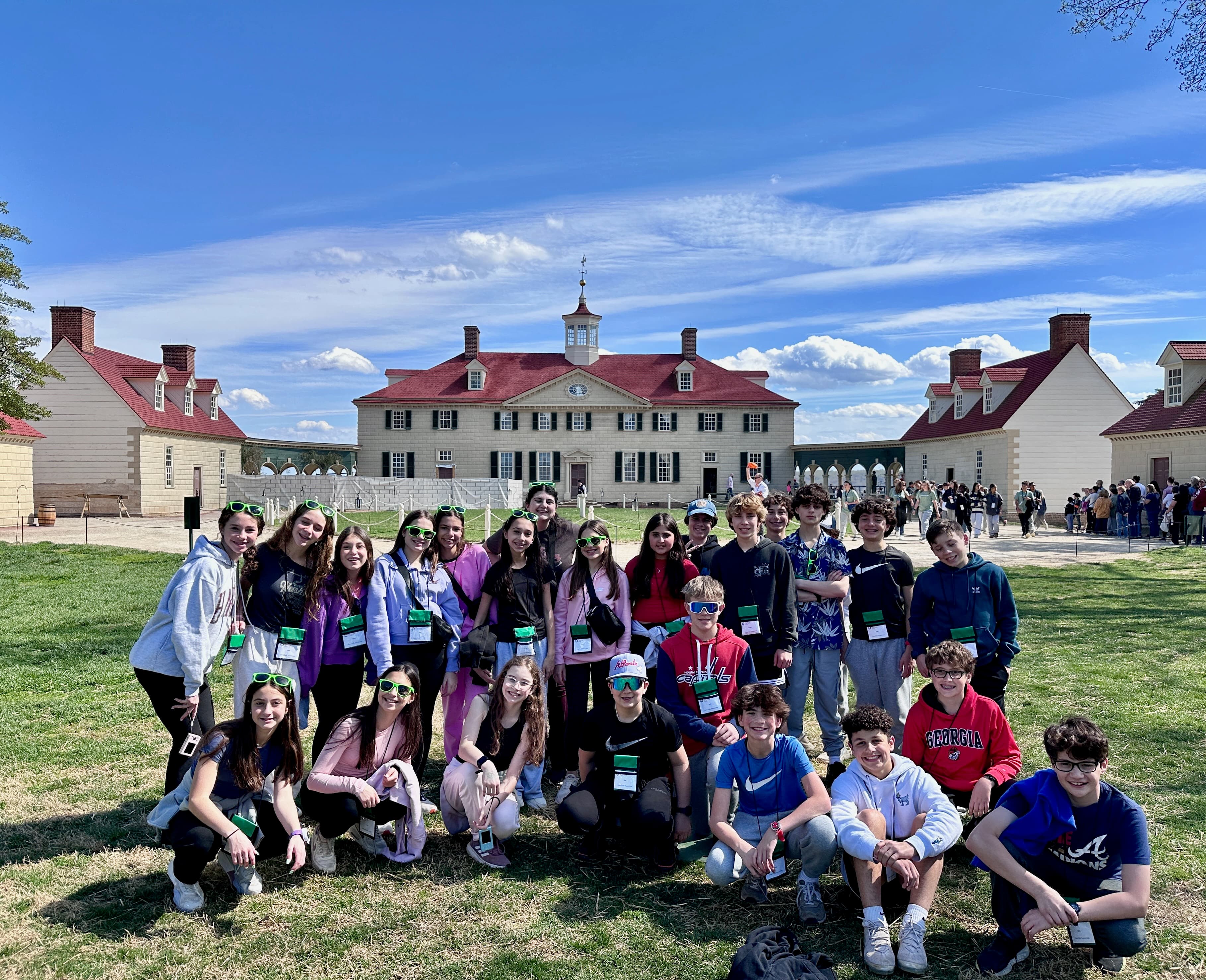
At the Theodore Roosevelt Inaugural National Historic Site, students examine the 1901 presidential transition and the Pan-American Exposition. A program at Frank Lloyd Wright’s Martin House adds architecture, art glass, and engineering, while Canalside puts the group outdoors where the Erie Canal met the Great Lakes and Buffalo grew around them.

4
Niagara Falls

Learning theme/Freedom, Geography & Borderlands

Freedom Crossing and Final Connections

Visit the Niagara Falls Underground Railroad Heritage Center to study freedom-seeker stories and the geography of crossing the Niagara River into Canada. The same river that powers cities once carried people to freedom, and students hold both stories together before beginning the trip home.

Homeward
Gallery

Niagara Falls and Buffalo Discovery in pictures

Image credits

Horseshoe Falls: Ujjwal Kumar (Public domain); American Falls: Nandaro (CC BY-SA 3.0); Maid of the Mist: Saffron Blaze (CC BY-SA 3.0); Terrapin Point, Goat Island: Jsfouche (CC BY-SA 3.0); Evening Illumination: Diego Silvestre (CC BY 2.0); Rainbow Bridge: Leslie (Wikimedia Commons) (CC BY-SA 2.5)

The Details

What's included

  • Transportation to and from Niagara Falls and Buffalo
  • Private motorcoach and local transportation throughout the tour
  • Hotel accommodations
  • All meals; no meal money or dining extras required
  • Experienced educational guide and curriculum-connected trip planning
  • All scheduled admissions, activities, and selected falls-access experience
  • Curriculum-connected activities and learning materials
  • Group enrollment and payment-plan support

Not included

  • Travel and trip cancellation insurance
How Planning Works

Three steps to a trip that fits your group

1

Tell us about your group

Who's traveling, when, and where you're coming from. That's all we need to start.

2

We build your quote

Itinerary, hotels, and motorcoach, priced for your group size and your dates.

3

Refine it with your advisor

Adjust the days, the stops, and the pace until it fits. We handle the rest.

Ready to plan your Niagara Falls and Buffalo trip?

Tell us your group and your dates. We’ll take it from there.

Request a Quote