Spain's Golden Triangle
Barcelona, Madrid & Seville · International · 10 Days

Spain's Golden Triangle

Three cities reveal the many stories of Spain

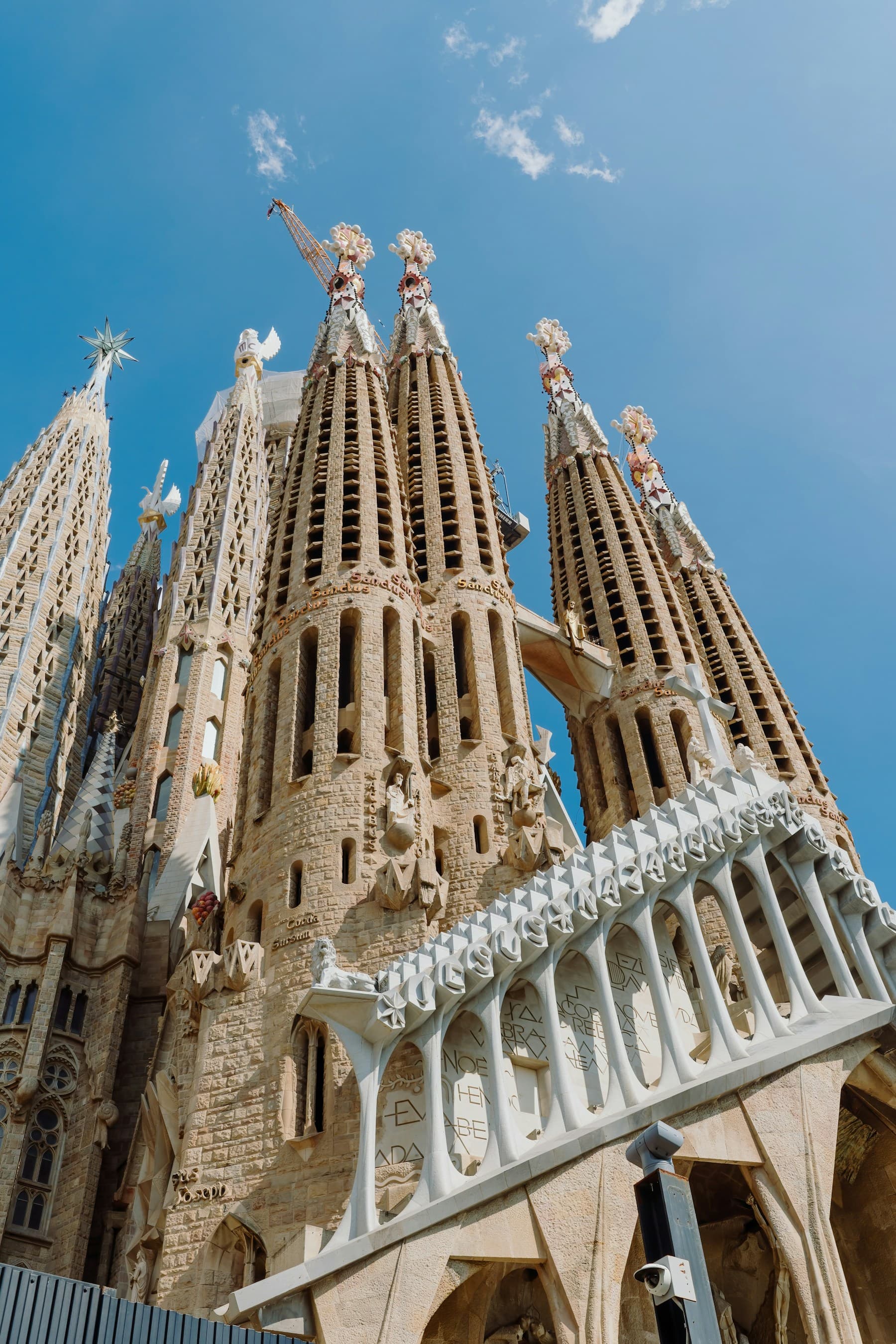
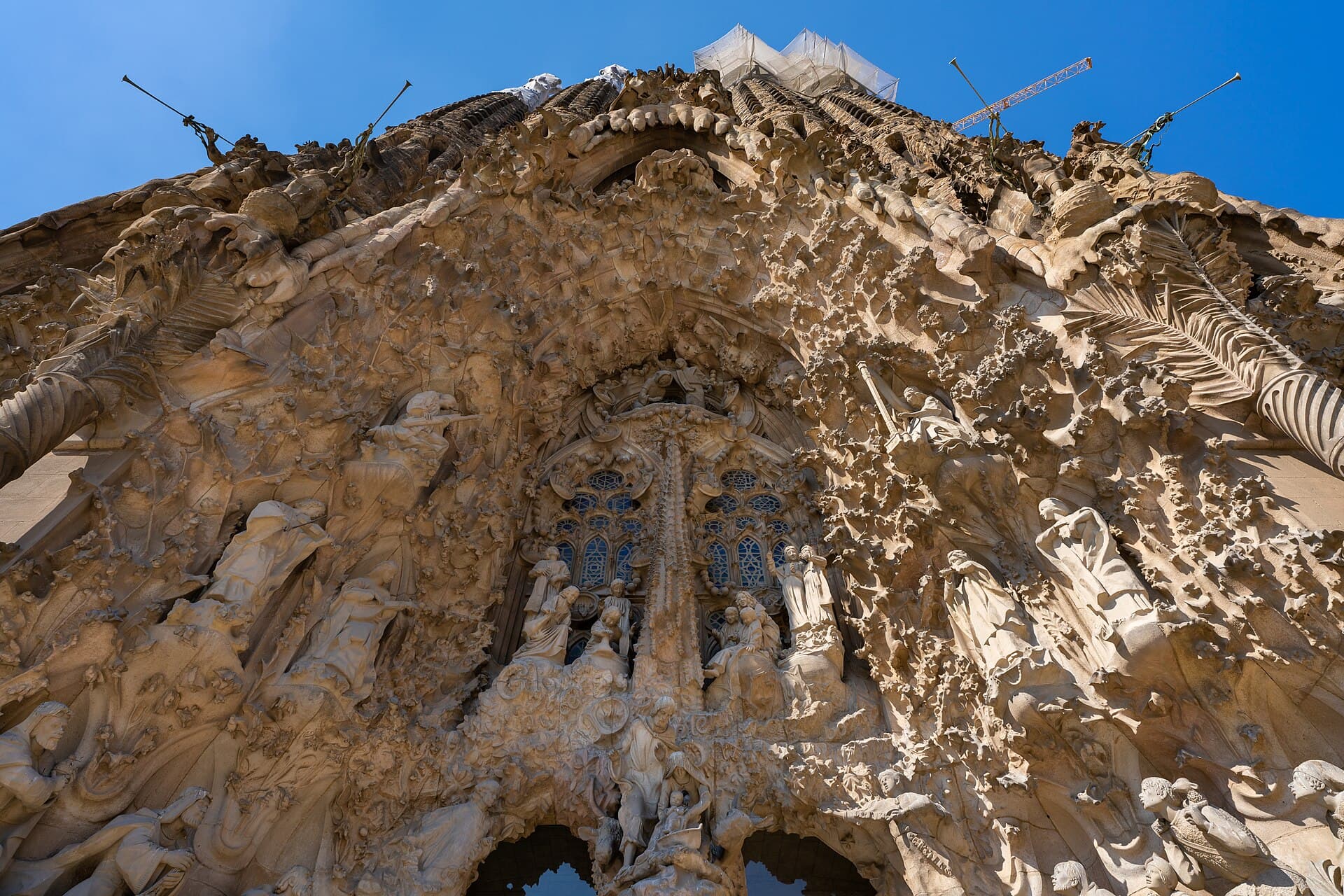
Spain gives students three cities that could not be more different, and that is the point. In Barcelona, construction of Gaudí's Sagrada Família continues after more than a century. Madrid brings the Prado's great collections and a full day in Toledo, where Jewish, Christian, and Islamic history share the same medieval streets. Seville answers with the Real Alcázar, orange-tree plazas, and an evening flamenco performance. Along the way, students practice Spanish in markets, museums, and everyday exchanges, and high-speed trains link the three cities. By the end, students can explain how one country holds so many distinct identities.

Curriculum Connection

Four objectives, one living classroom

Art as Historical Evidence

At the Museu Picasso and Prado Museum, students use composition, symbolism, patronage, and point of view to interpret art as evidence of the societies that created and preserved it.

Explore this objective

Students can study Velázquez’s Las Meninas at the Prado and then examine how Picasso revisited the same court image in his own series at the Museu Picasso. The pairing makes art a conversation across centuries, inviting students to compare viewpoint, composition, political setting, and the choices each museum makes when preserving and interpreting the works.

Close objective

Architecture, Structure & Meaning

At Sagrada Família, Park Güell, the Royal Palace, and the Real Alcázar, students compare how materials, engineering, ornament, religion, and power shape buildings across eras and regions.

Explore this objective

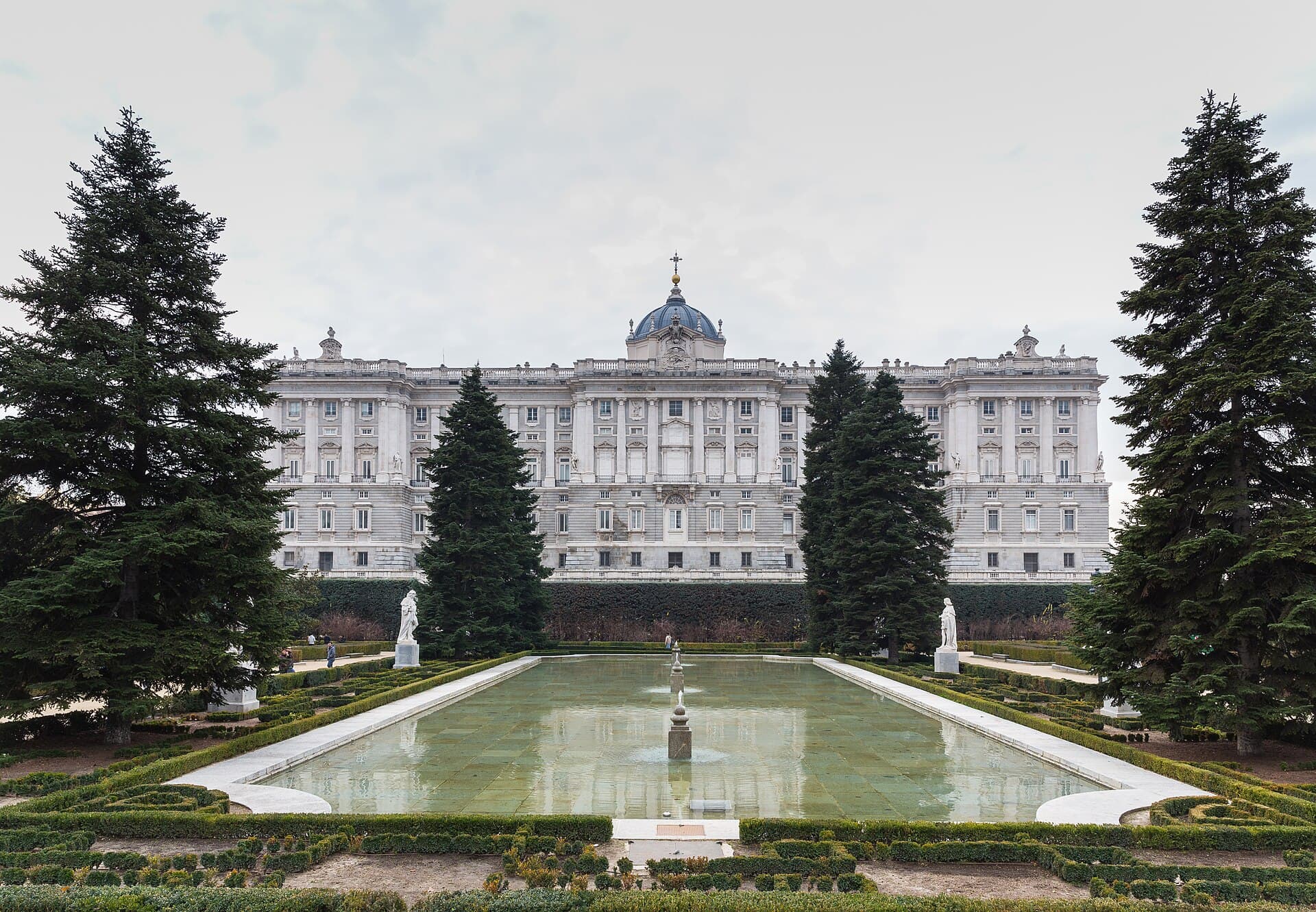
At Sagrada Família, students can trace how tree-like double-twist columns divide and carry loads while openings in the vaults bring light into the basilica. At Madrid’s Royal Palace, they can compare that exposed structural idea with a vaulted, wood-free structure chosen after the former Alcázar burned, showing how engineering responds to both artistic ambition and historical risk.

Close objective

Language in Living Contexts

Markets, plazas, guided visits, meals, and everyday exchanges give students purposeful opportunities to listen for familiar Spanish, read public language, and communicate respectfully in real settings.

Explore this objective

Barcelona gives students a chance to notice that Catalan and Spanish are both official in Catalonia, comparing signs, labels, menus, and greetings before traveling to Madrid and Seville. Instead of treating every unfamiliar word as a translation exercise, language choice becomes evidence of place, government, audience, and regional identity.

Close objective

Regional Identity

By comparing Catalonia, Madrid, Castilla–La Mancha, and Andalusia, students examine how geography, language, public memory, food, music, and architecture create distinct regional identities within one country.

Explore this objective

Spain’s constitution recognizes self-government for nationalities and regions, and the country is organized into 17 autonomous communities. Comparing Catalonia, Madrid, Castilla–La Mancha, and Andalusia therefore lets students see that regional identity is institutional as well as cultural, expressed through government, language, public memory, architecture, food, and performance.

Close objective

The Learning Arc

Intentional learning design

We design each tour with a scaffolded thematic progression wherever the destination and itinerary allow: each day establishes context, gives students evidence to work with, and prepares them for the next idea.

Theme the day. Encounter the evidence. Reflect and connect.

Each day begins with a clear theme and the context students need. At each site, our Storyteller Guides direct attention to the objects, documents, spaces, and stories that make the theme concrete. Short discussions and reflection prompts help students connect the experience to prior learning and carry an idea forward to the next day.

Tour Highlights

What your group will see

Barcelona, Design & Mediterranean Identity

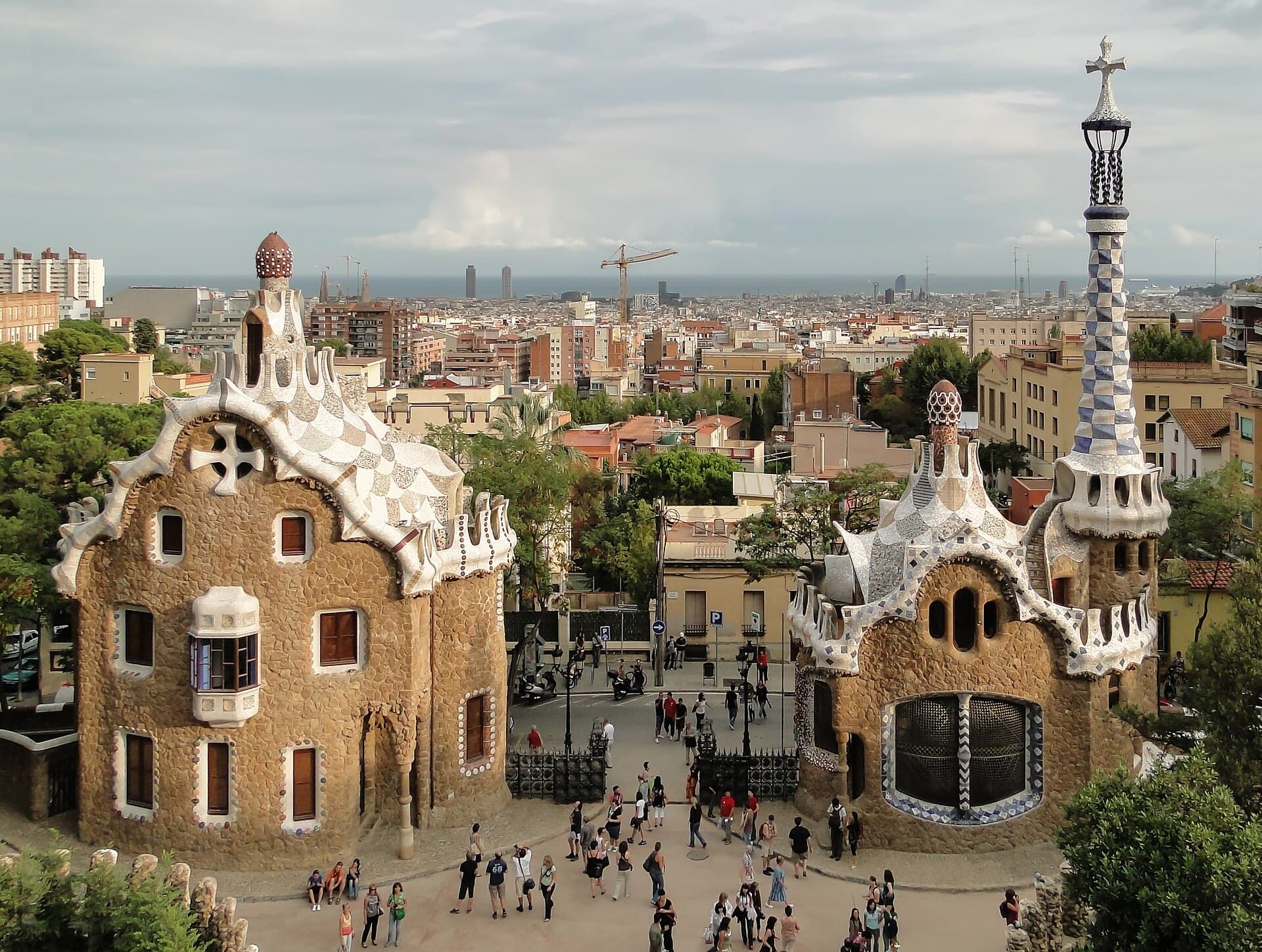
  • A guided student visit at Sagrada Família and an organized group visit to Park Güell for Gaudí’s structure, symbolism, light, color, and relationship to nature
  • The Gothic Quarter and El Born for medieval streets, civic spaces, Catalan identity, and Barcelona’s changing urban fabric
  • La Boqueria and a Museu Picasso visit for public language, market culture, and close observation of original works

Madrid, Art, Power & Three Cultures

  • A reserved educational visit at the Prado Museum using selected works to investigate power, belief, identity, and artistic point of view
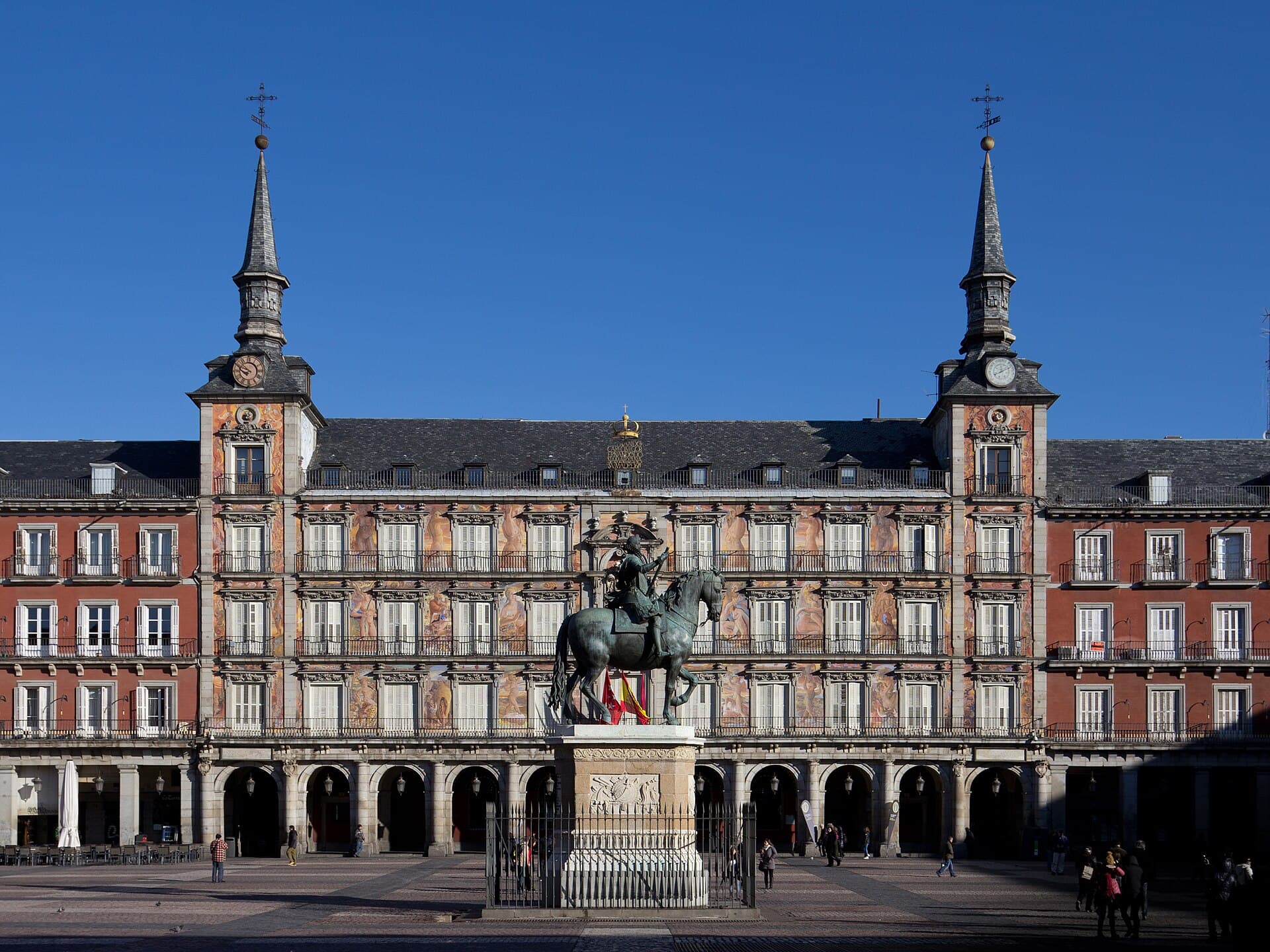
  • The Royal Palace, Plaza Mayor, and Puerta del Sol for monarchy, civic space, and Madrid’s role as Spain’s capital
  • A full day in Toledo, including its medieval street plan, Cathedral, Jewish Quarter, and visible Islamic, Jewish, and Christian heritage

Seville: Palaces, Sacred Spaces & Flamenco

  • The Real Alcázar, Seville Cathedral, and Giralda for palace architecture, sacred space, cultural exchange, and the city’s changing centers of power
  • Plaza de España and María Luisa Park for the 1929 Ibero-American Exposition, regional imagery, ceramics, and monumental public design
  • The Santa Cruz quarter and a student-appropriate flamenco performance for neighborhood history, music, rhythm, movement, and Andalusian cultural expression
Day by Day

The route your group travels

1
United States to Spain

Learning theme/Questions for the Journey

Begin with the Big Questions

Depart for Spain on an overnight group flight. Teachers can introduce the route’s four organizing questions: how art records history, how buildings communicate values, how language changes across regions, and how local identities fit within modern Spain.

2
Barcelona

Learning theme/Place, Language & Catalan Identity

Explore Barcelona’s Historic Center

Arrive in Barcelona and begin with a guided walk through the Gothic Quarter, where Roman remains, medieval lanes, public squares, Catalan language, and present-day city life share the same streets. This first encounter starts students looking closely at the visible evidence the city preserves.

3
Barcelona

Learning theme/Architecture, Engineering & Nature

Investigate Gaudí’s Barcelona

Step inside Sagrada Família to examine structure, light, symbolism, and the continuing construction of Gaudí’s basilica. Continue to Park Güell, comparing engineered forms, mosaics, landscape, and panoramic city views.

4
Barcelona

Learning theme/Art, Markets & Public Life

Practice Observation and Dialogue

Explore La Boqueria, walk through El Born, and visit the Museu Picasso. Students use language, observation, and conversation across Barcelona’s markets, neighborhoods, and art. The day gives students time to notice how food, public space, and visual culture reveal everyday life in the city.

5
Barcelona to Madrid

Learning theme/Transportation, Monarchy & Civic Space

Connect the Regional and National Capitals

Take a morning high-speed train from Barcelona to Madrid. In the afternoon, visit the Royal Palace and continue on foot through Plaza Mayor and Puerta del Sol, using architecture and public space to introduce Madrid’s national role.

6
Madrid

Learning theme/Art as Historical Evidence

Look Closely at the Prado

Enter the Prado Museum on a reserved educational visit, focusing on a manageable group of works rather than racing through the collection. Continue into the Paseo del Prado and El Retiro cultural landscape, where art, science, gardens, and civic planning create a second form of public collection.

7
Toledo

Learning theme/Coexistence, Conflict & Cultural Memory

Study the City of Three Cultures

Make a full-day excursion to Toledo, about half an hour from Madrid by high-speed train. Follow the medieval street plan from the Cathedral area into the Jewish Quarter, using architecture, religious sites, objects, and present-day interpretation to examine the city’s Islamic, Jewish, and Christian histories.

8
Madrid to Seville

Learning theme/Regional Expression in Public Space

Enter Andalusia Through Seville

Travel by morning high-speed train to Seville, then use Plaza de España and María Luisa Park to study architecture, ceramics, regional imagery, and the legacy of the 1929 Ibero-American Exposition. In the evening, experience flamenco as music, rhythm, movement, and living Andalusian cultural expression.

9
Seville

Learning theme/Sacred Space, Palace Design & Cultural Exchange

Explore Seville’s Monumental Center

Begin with a reserved visit to the Real Alcázar, then move through the compact monumental center to Seville Cathedral and the Giralda. Finish in Santa Cruz, where the former Jewish quarter’s layered streets show how belief, power, and memory shaped one neighborhood.

10
Seville to United States

Learning theme/Synthesis & Reflection

Compare the Three Spains

Before beginning the return journey, students compare the evidence gathered in Barcelona, Madrid, Toledo, and Seville. A guided closing reflection returns to the route’s central questions and asks how art, language, and architecture make modern Spain feel like one country and many at once.

Homeward
Gallery

Spain's Golden Triangle in pictures

Image credits

Sagrada Família: Maksim Sokolov (maxergon.com) (CC BY-SA 4.0); Park Güell: Bernard Gagnon (CC BY-SA 3.0); Royal Palace of Madrid: Diego Delso (CC BY-SA 4.0); Plaza Mayor, Madrid: Carlos Delgado (CC BY-SA 3.0); Crystal Palace, Retiro Park: Diego Delso (CC BY-SA 4.0); Seville Cathedral & the Giralda: Diliff (CC BY-SA 3.0); Plaza de España, Seville: Carlos Delgado (CC BY-SA 4.0); Real Alcázar of Seville: Benjamin Smith (CC BY-SA 4.0); Flamenco in Seville: Diego Delso (CC BY-SA 4.0)

The Details

What's included

  • International airfare to and from Spain
  • Private motorcoach, high-speed rail, and local transportation throughout the tour
  • Hotel accommodations
  • All meals; no meal money or dining extras required
  • Experienced educational guide and curriculum-connected trip planning
  • All scheduled admissions, activities, and cultural performance
  • Curriculum-connected activities and learning materials
  • Group enrollment and payment-plan support

Not included

  • Travel and trip cancellation insurance
How Planning Works

Three steps to a trip that fits your group

1

Tell us about your group

Who's traveling, when, and where you're coming from. That's all we need to start.

2

We build your quote

Itinerary, hotels, and motorcoach, priced for your group size and your dates.

3

Refine it with your advisor

Adjust the days, the stops, and the pace until it fits. We handle the rest.

Ready to plan a trip through Spain's Golden Triangle?

Tell us your group and your dates. We’ll take it from there.

Request a Quote