Great Smoky Mountains Discovery
Mountains, Culture & Field Science · Nature · 4–5 Days

Great Smoky Mountains Discovery

A mountain classroom shaped by nature and people

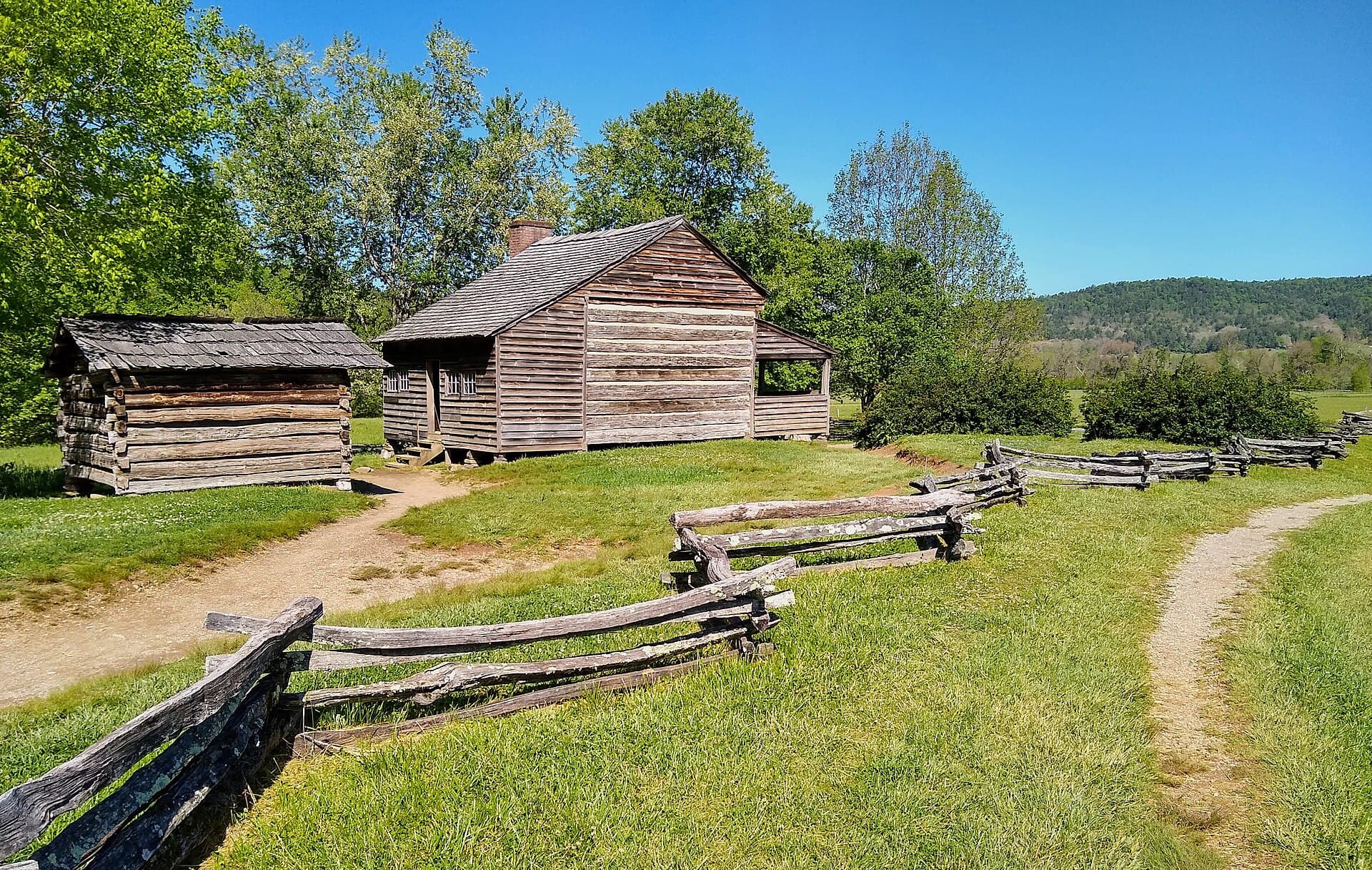
Great Smoky Mountains National Park protects more documented species than any other national park in the country, and students study that living variety where it actually lives. A ranger program or guided field study introduces real observation skills, and in Cades Cove, historic cabins, churches, and the Cable Mill show how families built lives in an isolated mountain valley. In Cherokee, a school tour at the Museum of the Cherokee People puts Cherokee voices at the center of their own history. Hands-on STEAM exhibits at WonderWorks in Pigeon Forge round out the tour.

Curriculum Connection

Four objectives, one living classroom

Field Science & Biodiversity

Use a ranger-led program or guided field study to compare forest communities, document evidence, and see how elevation, rainfall, and habitat support the Smokies’ extraordinary variety of life.

Explore this objective

Students can compare observations from low and high elevations against National Park Service data showing that the park rises from about 850 to more than 6,000 feet, a climate and habitat shift comparable to traveling from Georgia to Maine. That range helps them explain why different forest communities occupy different elevations and why the park’s 19,000-plus documented species are still being inventoried.

Close objective

Appalachian Communities

Explore cabins, churches, fields, and the Cable Mill area in Cades Cove as evidence of how families worked, learned, worshipped, and adapted to an isolated mountain valley.

Explore this objective

National Park Service records show that Cades Cove grew from its first European settlement in the 1820s to 685 residents by 1850, requiring farms, churches, schools, and mills rather than isolated cabins alone. By sorting each stop as a household or shared resource, students can see how a valley became a working community and how churches, schools, and the gristmill organized daily life.

Close objective

Cherokee History & Continuity

An educator-led school tour at the Museum of the Cherokee People centers Cherokee voices, carrying the story from historical events to Cherokee sovereignty, creativity, and community life today.

Explore this objective

The museum stands on the Qualla Boundary, sovereign land of the Eastern Band of Cherokee Indians and part of the ancestral homelands of all Cherokee people, so the setting itself matters. Students can distinguish Cherokee history told by a tribal institution from an outside account and see sovereignty as a continuing relationship to land and government, not a story that ends with removal.

Close objective

Forces, Motion & Design

At WonderWorks, students test physical science, technology, engineering, art, and math concepts through hands-on exhibits, with grade-level alignments and teacher resources available for the visit.

Explore this objective

Rather than moving from exhibit to exhibit, students can begin with a prediction, test it, and record what changed. WonderWorks’ interactive STEM exhibits give teachers a way to make cause and effect visible and ask students to support a claim with an observed result.

Close objective

The Learning Arc

Intentional learning design

We design each tour with a scaffolded thematic progression wherever the destination and itinerary allow: each day establishes context, gives students evidence to work with, and prepares them for the next idea.

Theme the day. Encounter the evidence. Reflect and connect.

Each day begins with a clear theme and the context students need. At each site, our Storyteller Guides direct attention to the objects, documents, spaces, and stories that make the theme concrete. Short discussions and reflection prompts help students connect the experience to prior learning and carry an idea forward to the next day.

Tour Highlights

What your group will see

The Park as a Field Classroom

  • A curriculum-based field program in the national park, led by a park ranger or an educational guide and built around real observation skills
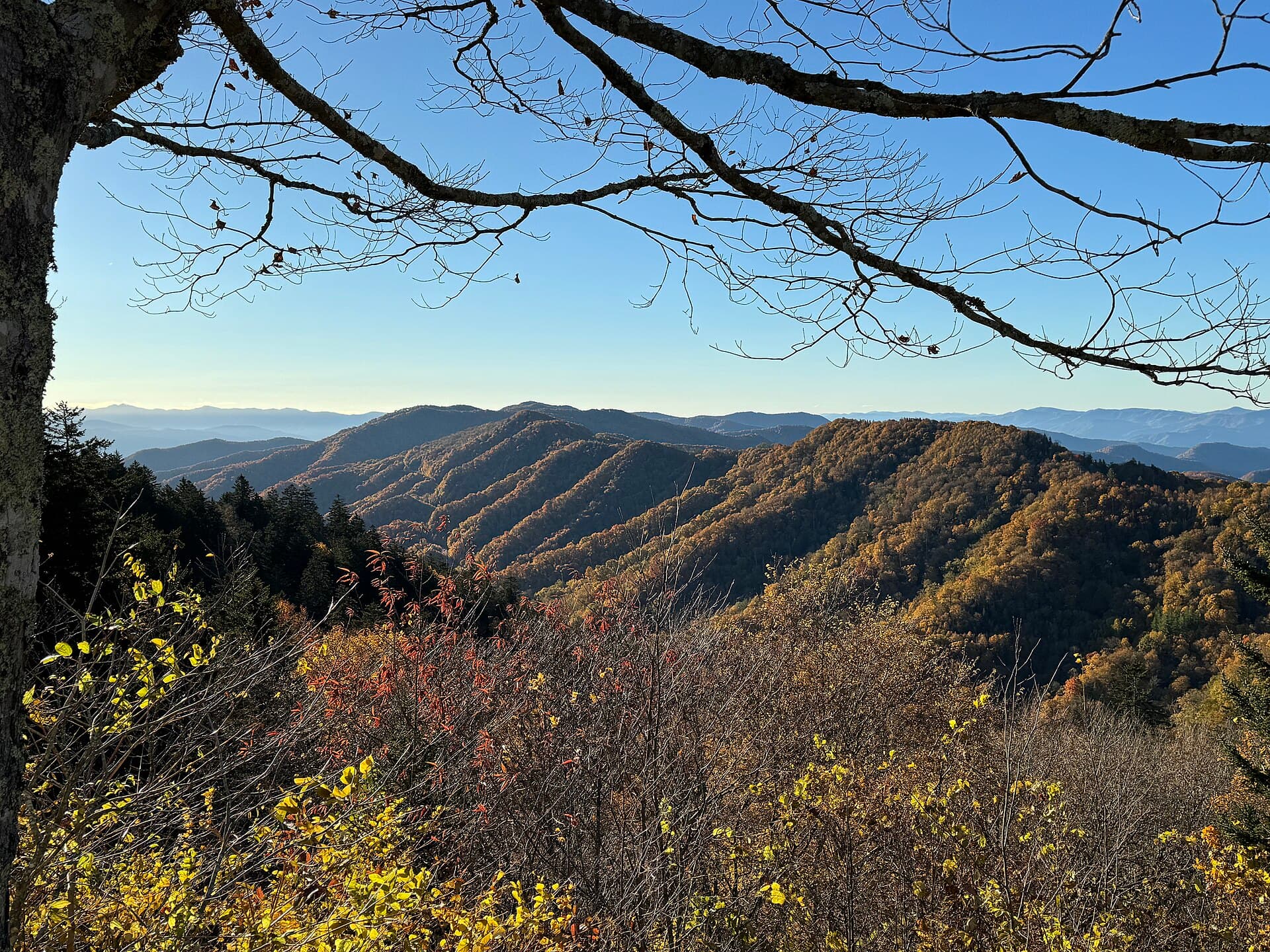
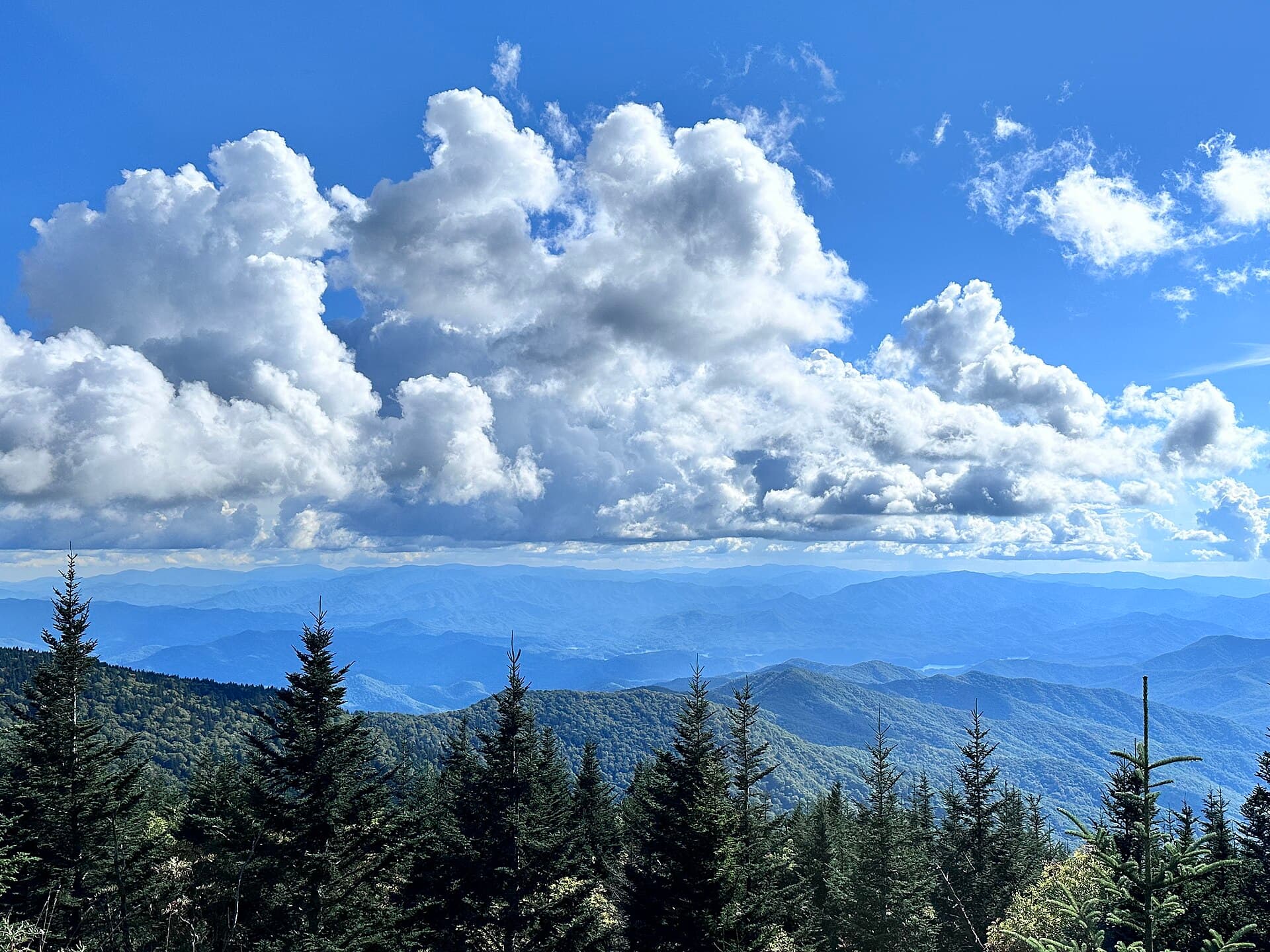
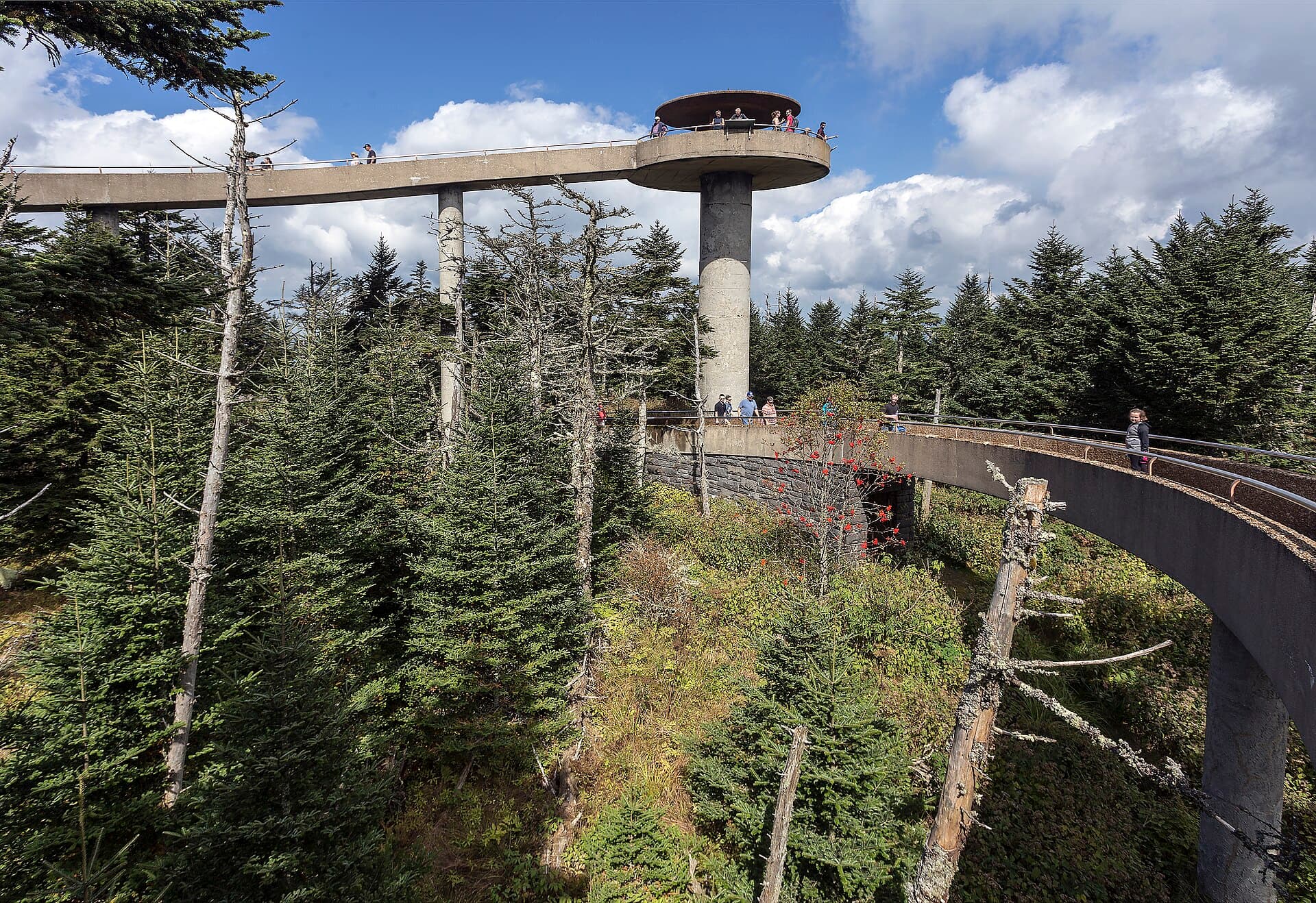
  • Newfound Gap Road and seasonal Kuwohi for the park’s highest overlooks and sweeping high-country views
  • Cades Cove for an early-day study of historic cabins, churches, fields, wildlife habitat, and the Cable Mill area

Cherokee & Appalachian Stories

  • An educator-led school tour at the Museum of the Cherokee People, planned with museum staff to support the group’s educational objectives
  • Oconaluftee Visitor Center and Mountain Farm Museum for cultural-history exhibits and a collection of Appalachian farm structures beside the park’s southern gateway
  • Oconaluftee Indian Village for guided interpretation, artisan demonstrations, storytelling, and social dance

Pigeon Forge Applied Learning

  • More than 100 hands-on exhibits at WonderWorks Pigeon Forge, with grade-level standards alignment, lesson plans, and science scavenger hunts available to teachers
  • Dollywood Science in the Park, an optional full-day extension applying distance, speed, velocity, and other physical-science ideas to park rides
Day by Day

The route your group travels

1
Pigeon Forge

Learning theme/Gateway Communities & Mountain Context

Enter the Smokies

Begin in Pigeon Forge with a local step-on orientation to the Smokies, the gateway communities, and the route ahead. A welcome dinner introduces the tour’s central question: how do people learn from, live within, and care for a national park shared across Tennessee and North Carolina?

2
Great Smoky Mountains National Park (Tennessee Side)

Learning theme/Biodiversity, Elevation & Field Observation

Explore the Living Landscape

Spend the day inside the national park with a curriculum-based field program, learning the observation skills students will use all week. Add Newfound Gap and seasonal Kuwohi to carry the day into the high country.

3
Cades Cove

Learning theme/Community Life, Habitat & Park Stewardship

A Valley Where People Lived

Enter Cades Cove early for the 11-mile one-way loop. Cabins, churches, fields, and the Cable Mill area reveal farming, education, worship, and community life; wildlife observations add a second lens on habitat and park stewardship.

4
Cherokee & Oconaluftee

Learning theme/Cherokee Voices & Cultural Landscapes

History Told from Cherokee Perspectives

Cross the park to Cherokee over Newfound Gap Road. An educator-led school tour at the Museum of the Cherokee People centers Cherokee history, culture, and continuity, and at nearby Oconaluftee students study a preserved Appalachian farm landscape. Back in Pigeon Forge, share an evening feast at a dinner show chosen for the group: Dolly Parton’s Stampede, Pirates Voyage, or the Hatfield & McCoy Dinner Feud.

5
Pigeon Forge

Learning theme/Applied Science & Final Connections

Put Science in Motion

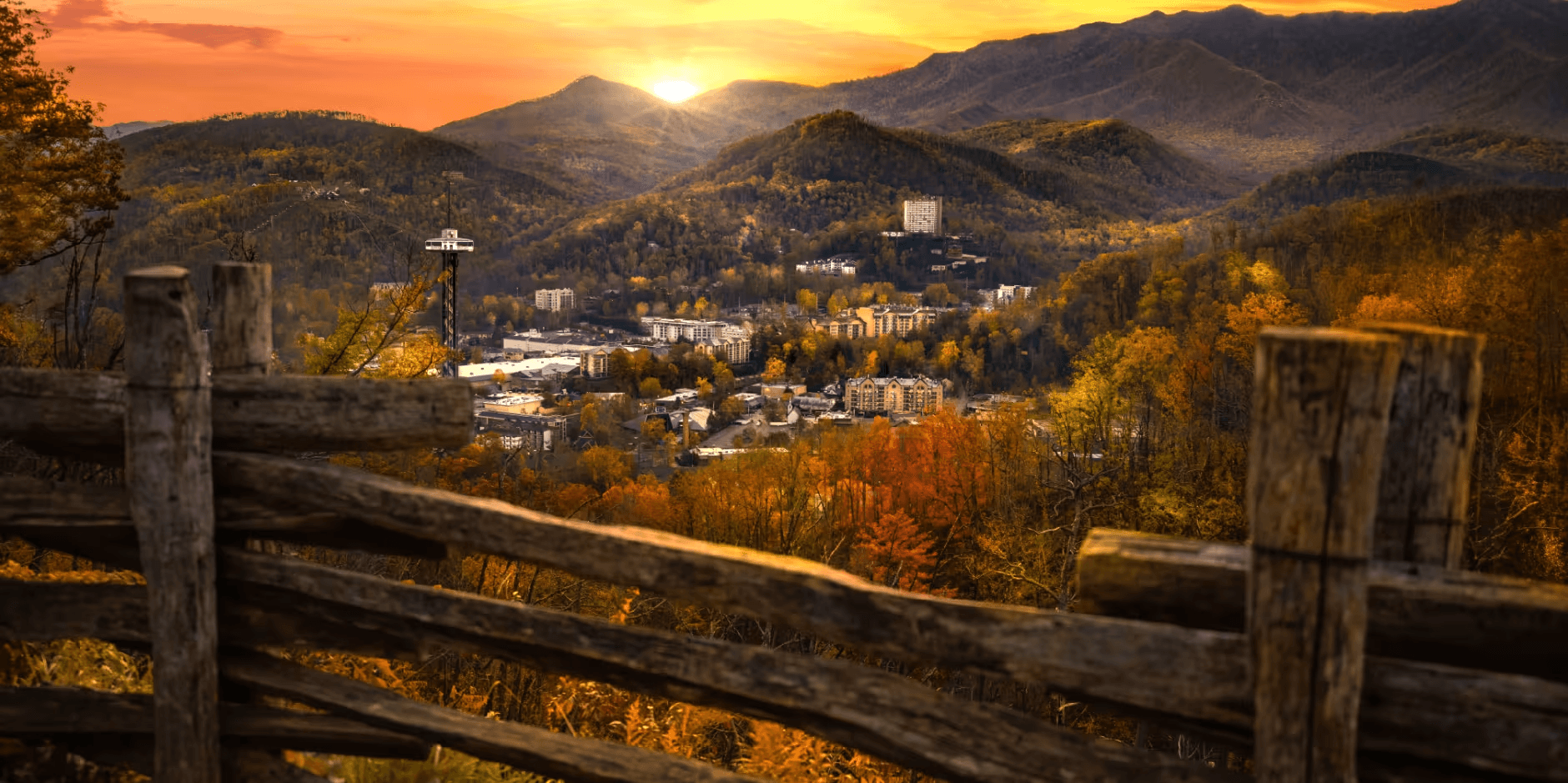
At WonderWorks Pigeon Forge, students test physical science, technology, engineering, art, and math concepts across hands-on exhibit zones. Then walk beneath sharks, rays, and a sea turtle in the underwater tunnel at Ripley’s Aquarium of the Smokies in Gatlinburg before the group begins the return trip.

Homeward
Gallery

Great Smoky Mountains Discovery in pictures

Image credits

Newfound Gap in Autumn: Missvain (CC BY 4.0); Ridges from the Kuwohi Trail: APK (CC BY 4.0); Kuwohi Observation Tower: Acroterion (CC BY-SA 4.0); Cades Cove: P. Hughes (CC BY-SA 4.0); Historic Homestead, Cades Cove: P. Hughes (CC BY-SA 4.0); Cades Cove Methodist Church: P. Hughes (CC BY-SA 4.0); Gatlinburg Woodcrafters, 1933: Lewis Hine / U.S. National Archives (Public domain); Gatlinburg & the Smokies from Above: APK (CC BY 4.0); Ripley’s Aquarium of the Smokies: Chris Corwin (CC BY-SA 2.0); Hatfield & McCoy Dinner Show: Billy Hathorn (CC BY-SA 3.0)

The Details

What's included

  • Transportation to and from the Smoky Mountains
  • Private motorcoach and local transportation throughout the tour
  • Hotel accommodations
  • All meals; no meal money or dining extras required
  • Experienced educational guide and curriculum-connected trip planning
  • All scheduled admissions, activities, and selected educational programs
  • Curriculum-connected activities and learning materials
  • Group enrollment and payment-plan support

Not included

  • Travel and trip cancellation insurance
How Planning Works

Three steps to a trip that fits your group

1

Tell us about your group

Who's traveling, when, and where you're coming from. That's all we need to start.

2

We build your quote

Itinerary, hotels, and motorcoach, priced for your group size and your dates.

3

Refine it with your advisor

Adjust the days, the stops, and the pace until it fits. We handle the rest.

Ready to plan your Great Smoky Mountains trip?

Tell us your group and your dates. We’ll take it from there.

Request a Quote