Portugal Atlantic Discovery
Maritime History, Art & Atlantic Landscapes · International · 10 Days

Portugal Atlantic Discovery

Trace the Age of Discovery from Lisbon to Porto

Portugal is where students stand at the launching point of the Age of Discovery. In Lisbon's Belém district, monuments, ship models, and navigation instruments line the riverfront where Portuguese caravels once set out across the Atlantic. Sintra's hilltop palaces make royal ambition visible, and Coimbra's centuries-old university shows where the country kept its learning. In Porto, students read the city's story in its tiled facades and riverside streets, and a full day in the Douro Valley shows how generations of farming families carved terraces into steep river hills.

Curriculum Connection

Four objectives, one living classroom

Maritime History & Global Exchange

In Belém, students use ships, navigation instruments, monuments, and the Tagus River to examine maritime technology, long-distance trade, and the ways Portugal commemorated and interpreted its maritime expansion.

Explore this objective

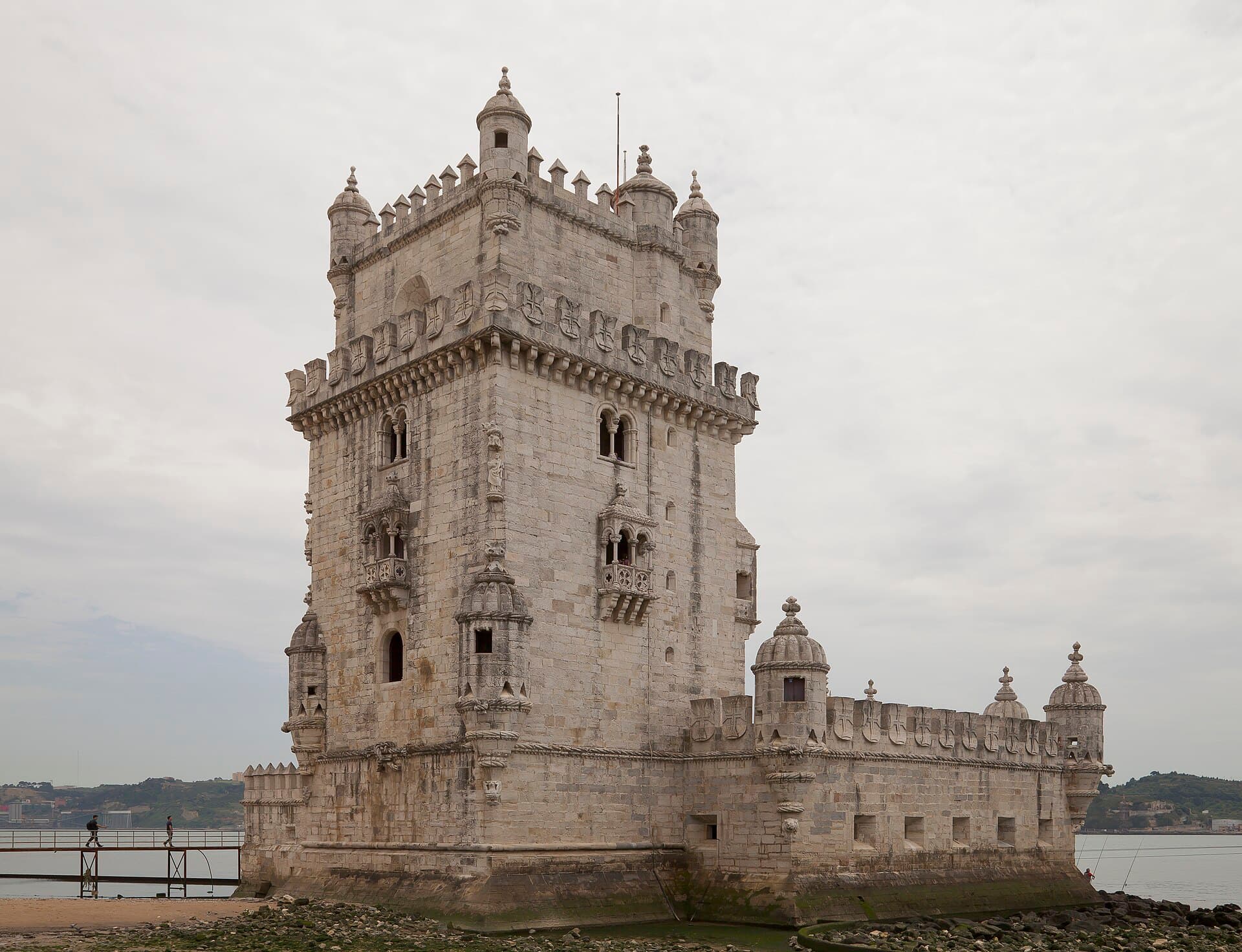
At Belém, students can compare the Tower’s original role in harbor defense with its later use as a symbol of maritime achievement, while instruments and vessels at the Maritime Museum show how voyages depended on measured observation and technology. Students can also ask whose accomplishments the monuments celebrate and whose labor, displacement, and enslavement are left out of the story.

Close objective

Architecture as Visual Evidence

Jerónimos Monastery, Pena Palace, São Bento Station, and Serralves help students read Manueline, Romantic, tiled, Art Deco, and modern design as evidence of changing ideas and identities.

Explore this objective

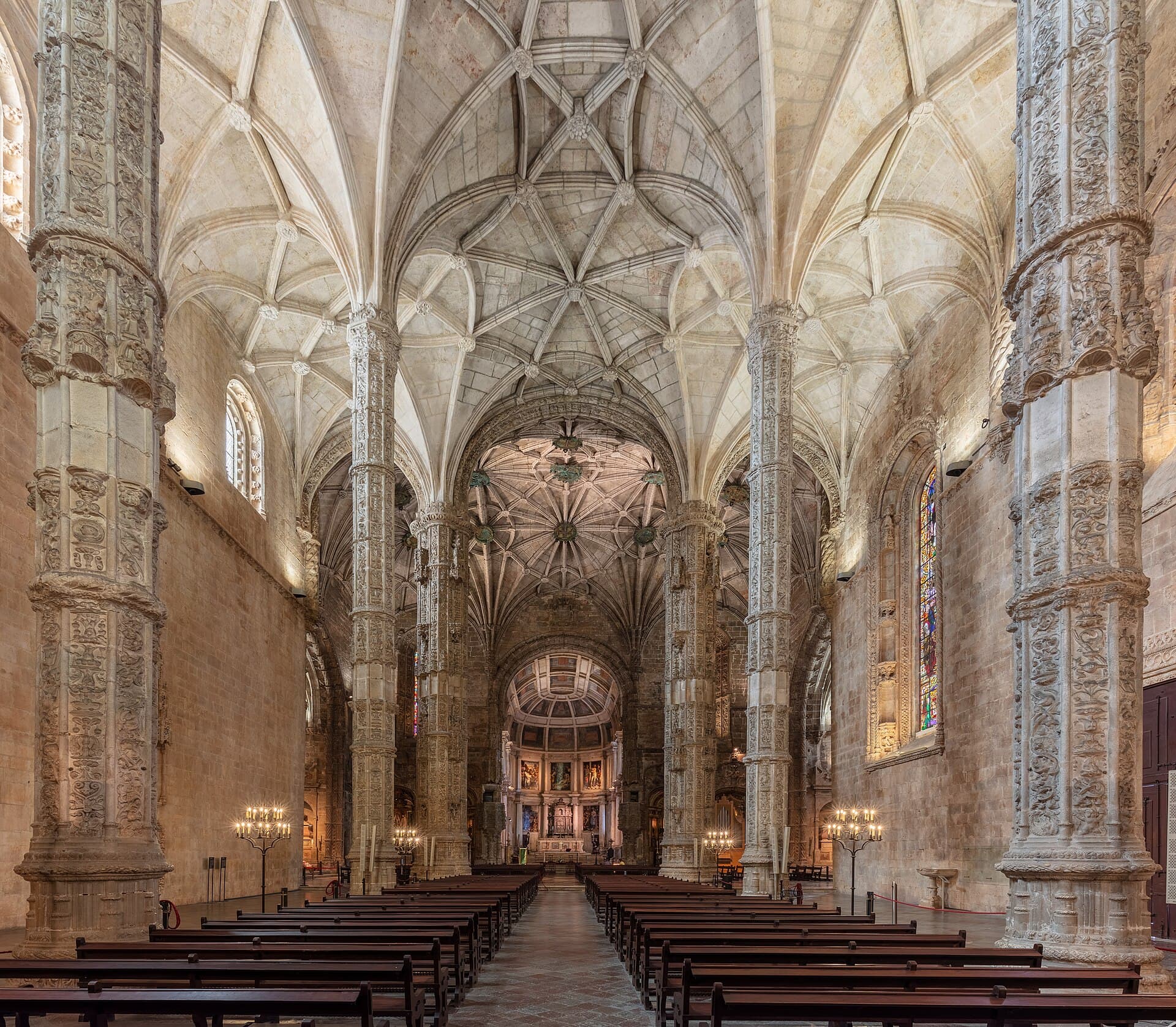
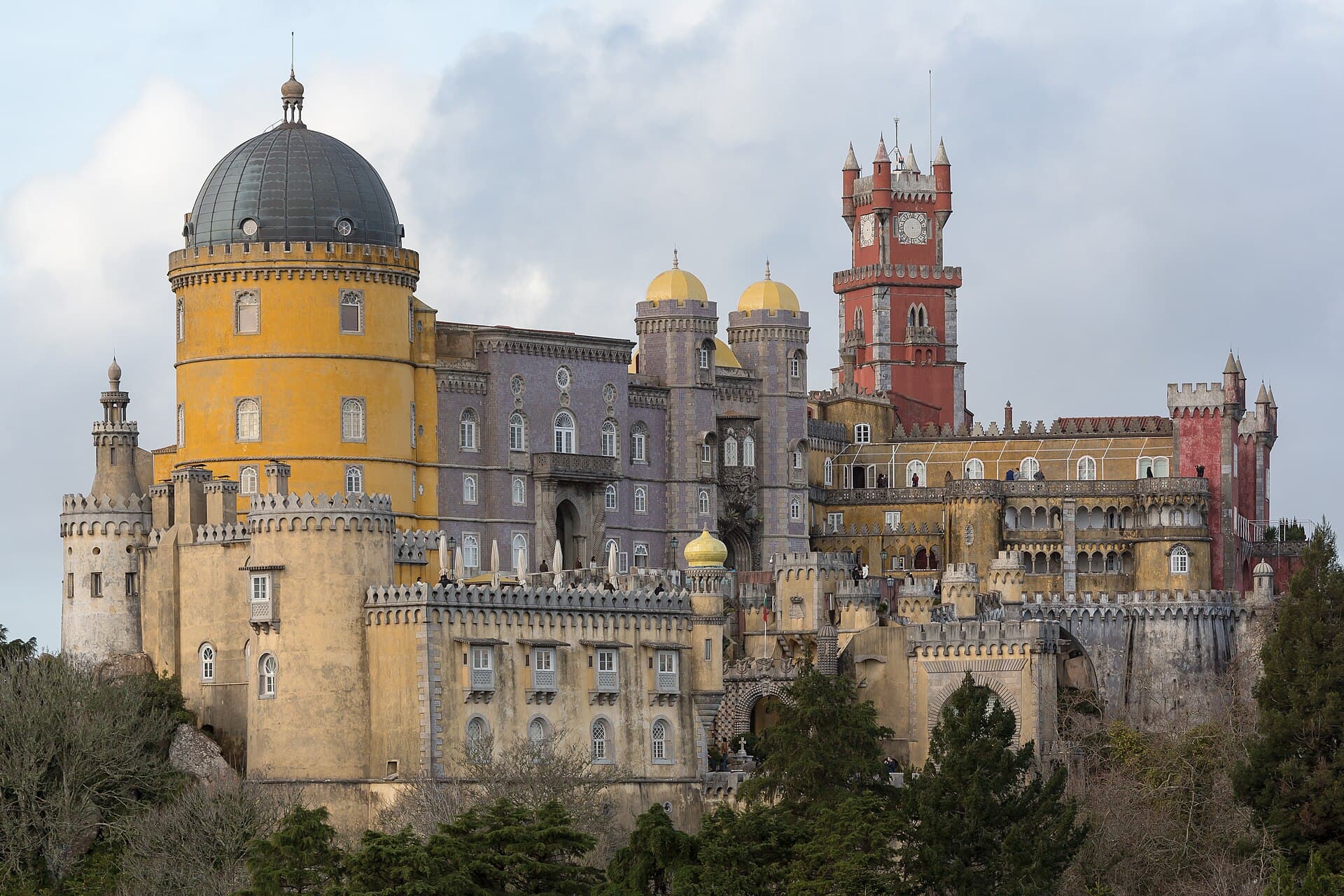
At Jerónimos, students can examine a Manueline church and cloister whose stonework links royal patronage, religion, seafaring, and Portugal’s expanding commercial reach. Pena Palace then shows Romantic revivalism combining a former monastery with Gothic, Manueline, Islamic-influenced, and other historical references, allowing students to ask why a nineteenth-century ruler deliberately assembled the past into a new national image.

Close objective

Rivers, Cities & Movement

By comparing the Tagus in Lisbon with the Douro in Porto, students see how waterways, bridges, hills, railways, ports, and public spaces influence movement, trade, and urban form.

Explore this objective

The Tagus estuary’s navigability helped Lisbon function as a protected Atlantic port and departure point for long-distance voyages. In Porto, students can compare that broad estuary with Porto’s steep riverfront and Dom Luís I Bridge, reading elevation, crossings, rail access, and the Douro’s outlet to the sea as evidence of a different commercial city form.

Close objective

Landscape & Land Use

In the Douro Valley, students observe how soil, slope, water, sun, terraces, transportation, and long-term agricultural work combine to create a productive cultural landscape.

Explore this objective

From the Douro Museum into the valley, students can distinguish narrow, schist-walled socalcos from wider terraces introduced after the nineteenth-century phylloxera crisis and newer forms shaped by mechanization. Those layers show that the valley is a working cultural landscape, continually redesigned as growers balance steep slopes, water, sunlight, labor, transportation, and changing technology.

Close objective

The Learning Arc

Intentional learning design

We design each tour with a scaffolded thematic progression wherever the destination and itinerary allow: each day establishes context, gives students evidence to work with, and prepares them for the next idea.

Theme the day. Encounter the evidence. Reflect and connect.

Each day begins with a clear theme and the context students need. At each site, our Storyteller Guides direct attention to the objects, documents, spaces, and stories that make the theme concrete. Short discussions and reflection prompts help students connect the experience to prior learning and carry an idea forward to the next day.

Tour Highlights

What your group will see

Lisbon, Belém & Sintra

  • Jerónimos Monastery and the Maritime Museum for Manueline architecture, ship models, navigation instruments, maritime expansion, and global exchange
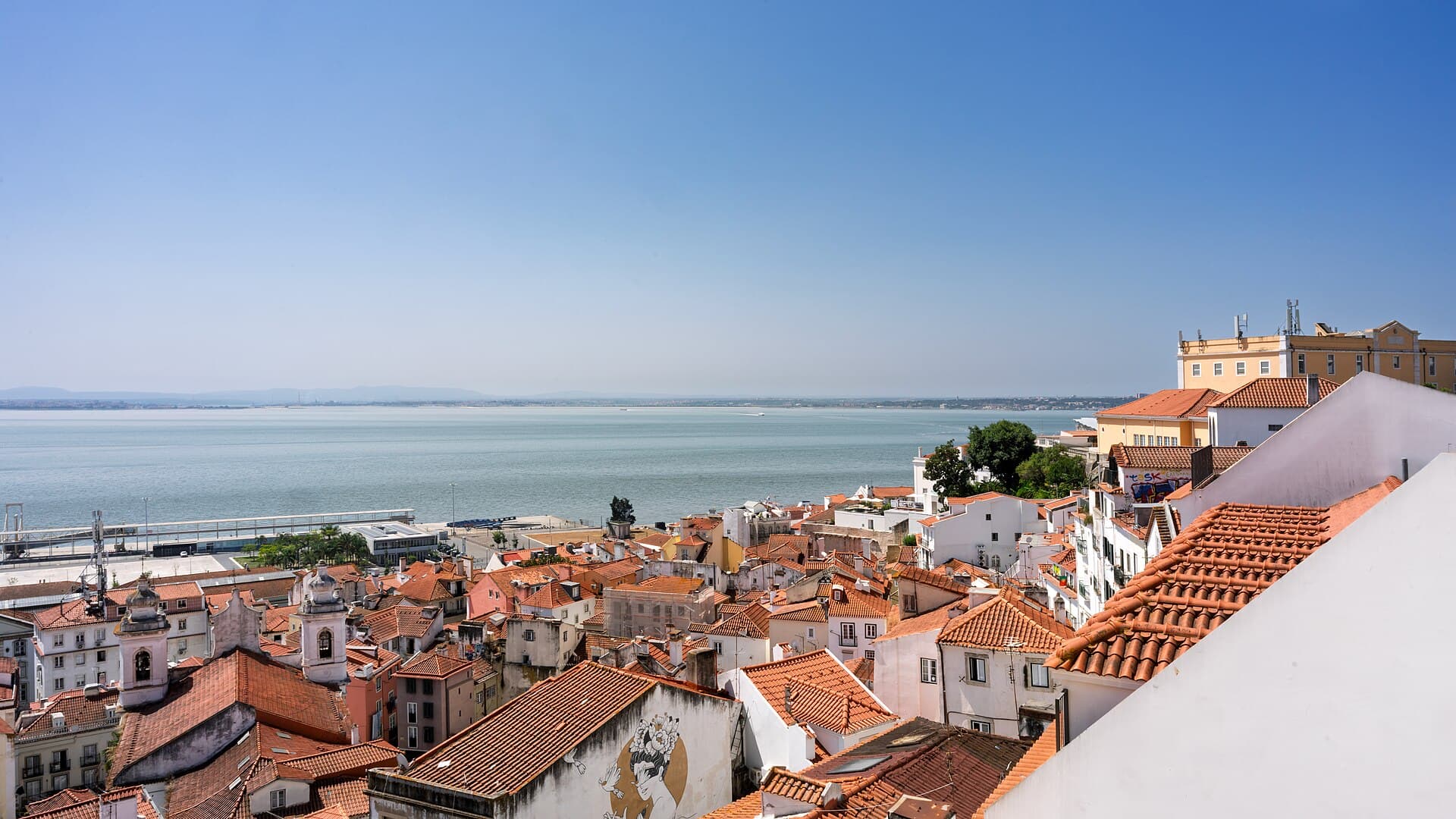
  • Praça do Comércio, Alfama, and the Tagus River for Lisbon’s hills, public spaces, transportation, and layered urban history
  • A school-focused visit at Pena Palace for Portuguese Romanticism, royal patronage, architecture, and the relationship between the palace and the Sintra landscape

Coimbra, Porto & the Douro

  • The University of Coimbra, Joanina Library, and Science Museum for institutional history, collections, and the architecture of learning
  • São Bento Station, Ribeira, and the Dom Luís I Bridge for tile narratives, transportation, river geography, and Porto’s historic center
  • Serralves Museum, Villa, and Park for contemporary art, Art Deco and modern architecture, landscape design, and student-centered interpretation
  • The Douro Museum, Pinhão, and the Douro Valley for terraced land use, river transportation, agricultural systems, and a UNESCO-recognized cultural landscape
Day by Day

The route your group travels

1
Overnight Flight to Portugal

Learning theme/Questions, Geography & Journey Framing

Begin the Portugal Story

Depart together on an overnight group flight to Portugal. Before arrival, students receive the route’s framing questions and locate the Atlantic, Iberian Peninsula, Lisbon, Porto, and Madeira on a shared map, establishing the geographic relationships they will test through objects, buildings, rivers, and landscapes on the ground.
2
Lisbon

Learning theme/Place, River & First Observations

See Lisbon from the Tagus

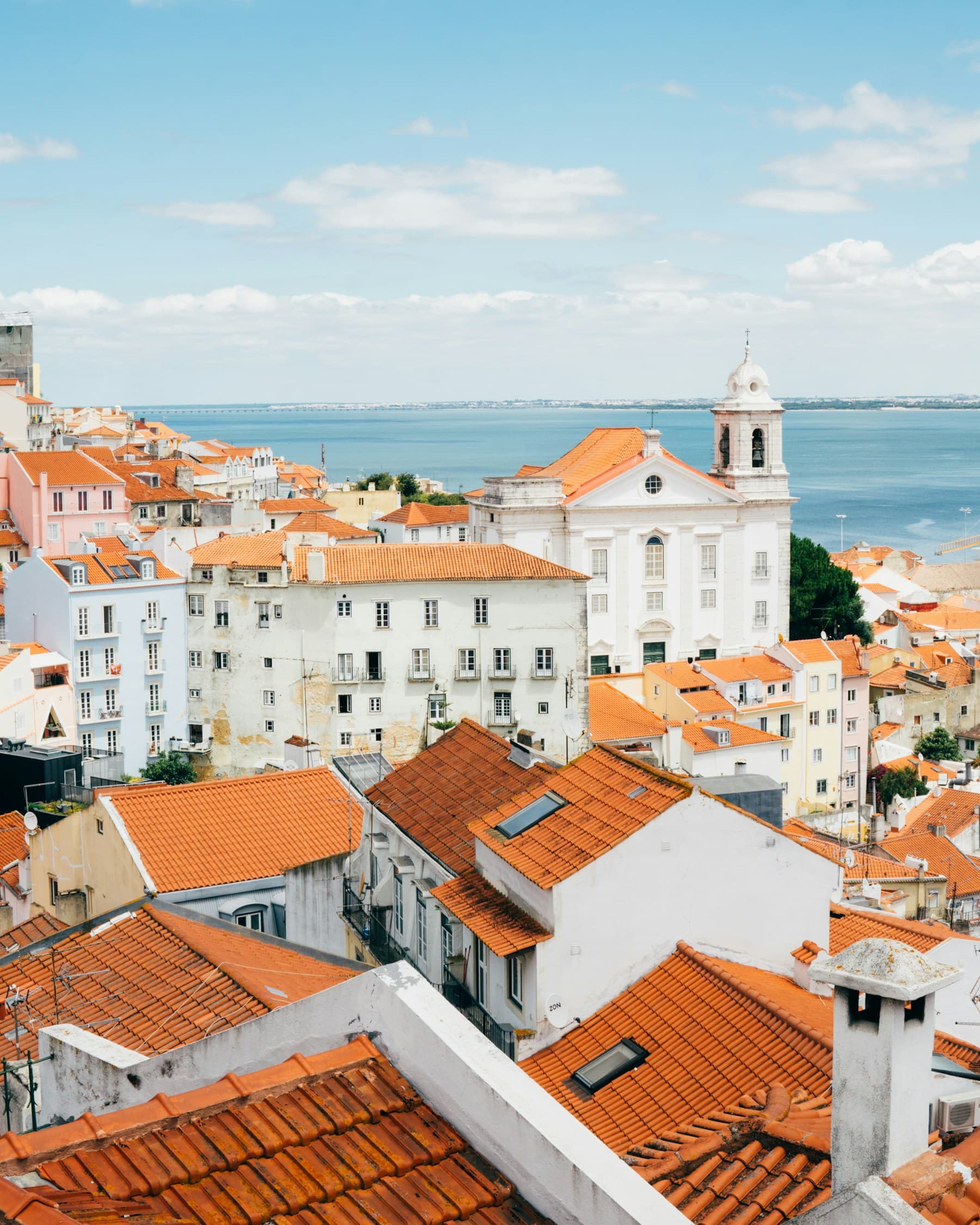
Begin in Praça do Comércio and along the Tagus River, where Lisbon’s open waterfront, hills, ferries, and street pattern establish the route’s geography. From a city viewpoint, students identify the river, the route to the Atlantic, the historic neighborhoods, and the transportation systems they will trace across Portugal.

3
Belém, Lisbon

Learning theme/Maritime Expansion & Global Exchange

Objects and Monuments of the Maritime World

At Jerónimos Monastery, students examine Manueline architecture on the Belém riverfront, an area closely associated with Portugal’s maritime voyages. The nearby Maritime Museum adds real vessels, models, and navigation instruments, creating an evidence-based study of navigation, ship design, maritime technology, long-distance trade, and how Lisbon’s monuments interpret this history.

4
Central Lisbon

Learning theme/Urban Layers, Transportation & Culture

Lisbon’s Streets Tell the Story

Explore Alfama, Baixa, and a historic Lisbon tram route with a guide who helps students read elevation, street width, rebuilding, and neighborhood life. Public squares, tiled façades, viewpoints, and the movement between hill and river show how geography and history continue to shape daily life.

5
Sintra

Learning theme/Romanticism, Patronage & Landscape

Pena Palace in Its Mountain Setting

Use a reserved school visit at Pena Palace to examine King Ferdinand II, Portuguese Romanticism, architectural references, color, symbolism, and royal patronage. Time in Sintra’s historic center and park setting helps students consider why this mountain landscape became part of the palace’s meaning and design.

6
Lisbon → Coimbra → Porto

Learning theme/Knowledge, Collections & Institutional History

Lisbon to Porto through Coimbra

Visit the University of Coimbra for a reserved tour of the Palace of Schools, Joanina Library, and selected Science Museum collections, then continue to Porto. Students compare how books, laboratories, objects, and ceremonial spaces communicate changing ideas about knowledge.

7
Porto

Learning theme/Tile Narratives, Transportation & River Geography

Porto from São Bento to the Douro

Begin with the historic tile panels at São Bento Station, then follow Porto’s descending streets to Ribeira and the Dom Luís I Bridge. Students use public art, rail history, elevation, and river crossings to understand how Porto developed around movement, trade, and the Douro.

8
Serralves and Foz, Porto

Learning theme/Contemporary Art, Architecture & Designed Landscape

How Art Changes the Way We See Place

A guided student visit through Serralves Museum, Villa, and Park brings contemporary art into conversation with Art Deco design, Álvaro Siza’s architecture, and an eighteen-hectare landscape. Continue toward Foz, where the Douro meets the Atlantic and students watch the river they have followed across Portugal finish its journey to the sea.

9
Douro Valley

Learning theme/Land Use, Production & Cultural Landscape

The Terraced Douro

Spend a full day in the Douro Valley, beginning with a reserved group visit at the Douro Museum in Peso da Régua before continuing to Pinhão by road, rail, or river. Students examine schist soils, terracing, transportation, seasonal work, production, and community.

10
Porto

Learning theme/Comparison, Evidence & Synthesis

Porto Riverfront & the Journey Home

Use the final morning to revisit the Porto riverfront and compare the Douro with Lisbon’s Tagus. Students draw together evidence from monuments, objects, buildings, collections, and landscapes before beginning the return journey from Portugal.

Homeward
Gallery

Portugal Atlantic Discovery in pictures

Image credits

Belém Tower: Diego Delso (CC BY-SA 3.0); Jerónimos Monastery: Diego Delso (CC BY-SA 4.0); Alfama & the Tagus: Dale Cruse (CC BY 4.0); Tram 28: Christine Zenino (CC BY 2.0); Pena Palace, Sintra: CEphoto, Uwe Aranas (CC BY-SA 3.0); Ribeira District, Porto: Diego Delso (CC BY-SA 3.0); Rabelo Boats & Dom Luís I Bridge: Diegoarielvega (CC BY-SA 4.0); Douro Valley Vineyards: Rosino (CC BY-SA 2.0)

The Details

What's included

  • International airfare to and from Portugal
  • Private motorcoach, rail, and local transportation throughout the tour
  • Hotel accommodations
  • All meals; no meal money or dining extras required
  • All scheduled admissions, activities, and guided excursions
  • Experienced educational guide and curriculum-connected trip planning
  • Curriculum-connected activities and learning materials
  • Group enrollment and payment-plan support

Not included

  • Travel and trip cancellation insurance
How Planning Works

Three steps to a trip that fits your group

1

Tell us about your group

Who's traveling, when, and where you're coming from. That's all we need to start.

2

We build your quote

Itinerary, hotels, and motorcoach, priced for your group size and your dates.

3

Refine it with your advisor

Adjust the days, the stops, and the pace until it fits. We handle the rest.

Ready to plan your Portugal Atlantic trip?

Tell us your group and your dates. We’ll take it from there.

Request a Quote