Charleston History, Harbor & Memory
Revolution, African American History & Harbor Geography · History & Culture · 5 Days / 4 Nights

Charleston History, Harbor & Memory

Charleston’s harbor, streets, objects, and memorials reveal connected histories

American history unfolds in Charleston: the Revolution, the slave trade, and the first shots of the Civil War. At Gadsden's Wharf, where thousands of enslaved Africans first stepped onto American soil, the International African American Museum tells their stories on the ground where it happened, and the Old Slave Mart Museum preserves the auction room where enslaved people were sold until 1863. The ferry to Fort Sumter crosses the same harbor where the Civil War began, and a Revolutionary Charleston program brings out the choices Patriots, Loyalists, and enslaved people faced. At Boone Hall, nine brick slave cabins and a live Gullah culture presentation carry the story forward in descendants' own voices, and with the centuries-old Angel Oak and Drayton Hall, the Lowcountry itself becomes the classroom.

Curriculum Connection

Four objectives, one living classroom

African American History & Place

At the International African American Museum and Gadsden's Wharf, students study forced migration, family history, and cultural continuity on the waterfront where those histories actually unfolded.

Explore this objective

Archaeology at Gadsden’s Wharf uncovered timbers from the original eighteenth-century wharf line and the brick floor of a storehouse used to hold African captives before sale. Students can consider how archaeology recovers evidence absent from monuments and why the museum is raised above ground treated as part of the memorial.

Close objective

Revolution & Civic Choice

At the Old Exchange, Heyward-Washington House, and Powder Magazine, students see where the British held Patriot prisoners, where the city stored its gunpowder, and the different choices Patriots, Loyalists, and enslaved people faced during the Revolution.

Explore this objective

The Old Exchange’s 1771 building shifted from commercial exchange and customs house to a British prison where Patriot soldiers were held. Across the three-site program, students can ask how one city building served opposing political powers and compare public protest with the risks of occupation and imprisonment.

Close objective

Harbor, Fortification & Civil War

From the ferry and inside Fort Sumter, students use the harbor’s channels, shorelines, engineered defenses, and surviving ruins to understand why Charleston became the site of the Civil War’s opening conflict.

Explore this objective

Fort Sumter began as a fort on a man-made island within the post–War of 1812 coastal-defense system, yet it was still unfinished when sectional tensions became armed conflict. Comparing its intended walls with artillery-damaged ruins lets students see how military technology outpaced masonry defense and how the harbor turned a federal fort into a national flashpoint.

Close objective

Architecture, Labor & Preservation

Historic streets, the Heyward-Washington House, and Drayton Hall help students read materials, floor plans, work spaces, craftsmanship, and preservation decisions alongside the labor and lives that made these places possible.

Explore this objective

At Drayton Hall, building fabric can be read beside diaries and archaeology rather than as architecture alone. Records identify enslaved skilled workers, including blacksmiths, coopers, and carpenters, so students can ask how craftsmanship survives when makers’ names often do not and why preservation includes people as well as walls.

Close objective

The Learning Arc

Intentional learning design

We design each tour with a scaffolded thematic progression wherever the destination and itinerary allow: each day establishes context, gives students evidence to work with, and prepares them for the next idea.

Theme the day. Encounter the evidence. Reflect and connect.

Each day begins with a clear theme and the context students need. At each site, our Storyteller Guides direct attention to the objects, documents, spaces, and stories that make the theme concrete. Short discussions and reflection prompts help students connect the experience to prior learning and carry an idea forward to the next day.

Tour Highlights

What your group will see

Charleston Peninsula & Harbor

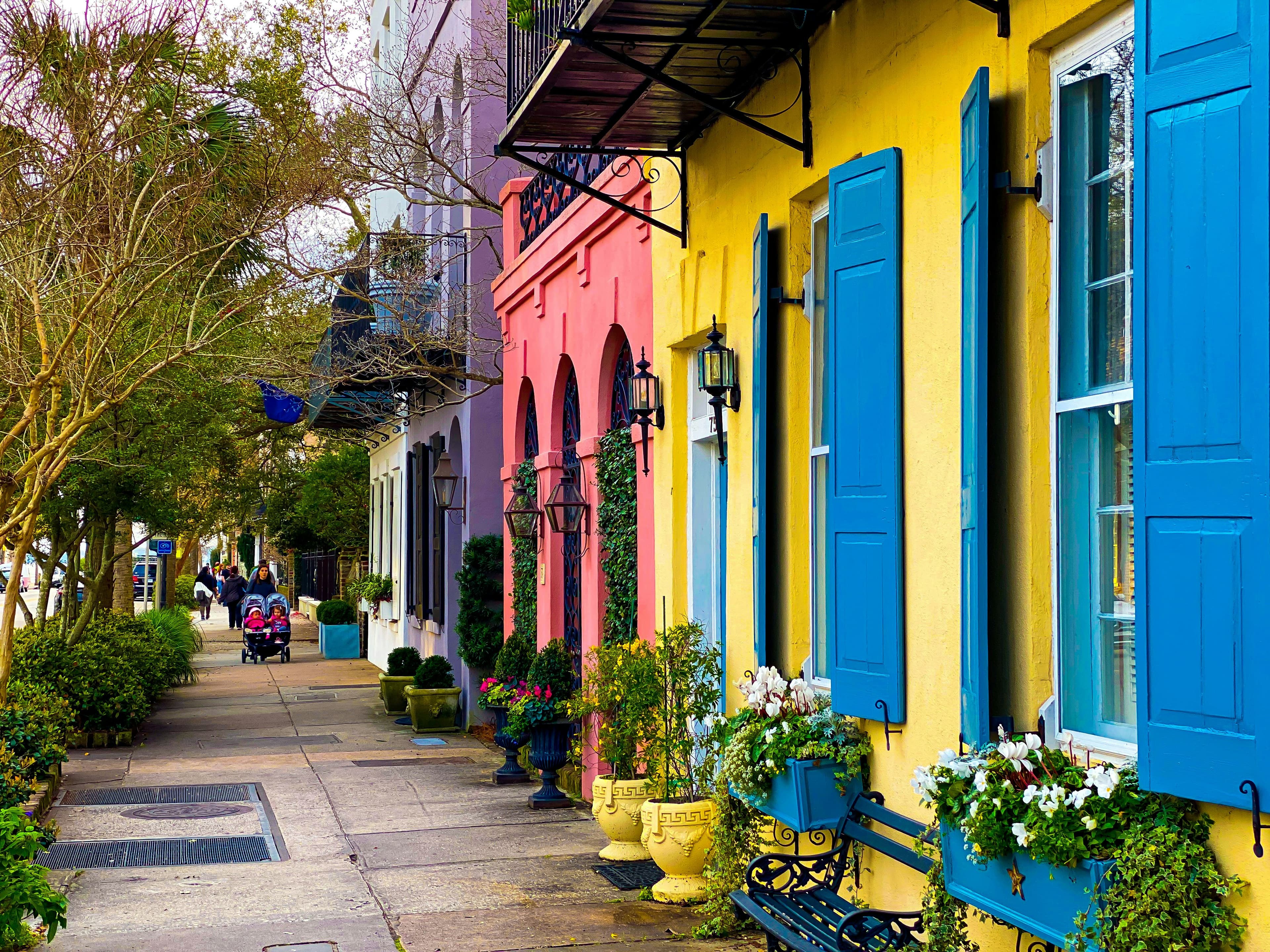
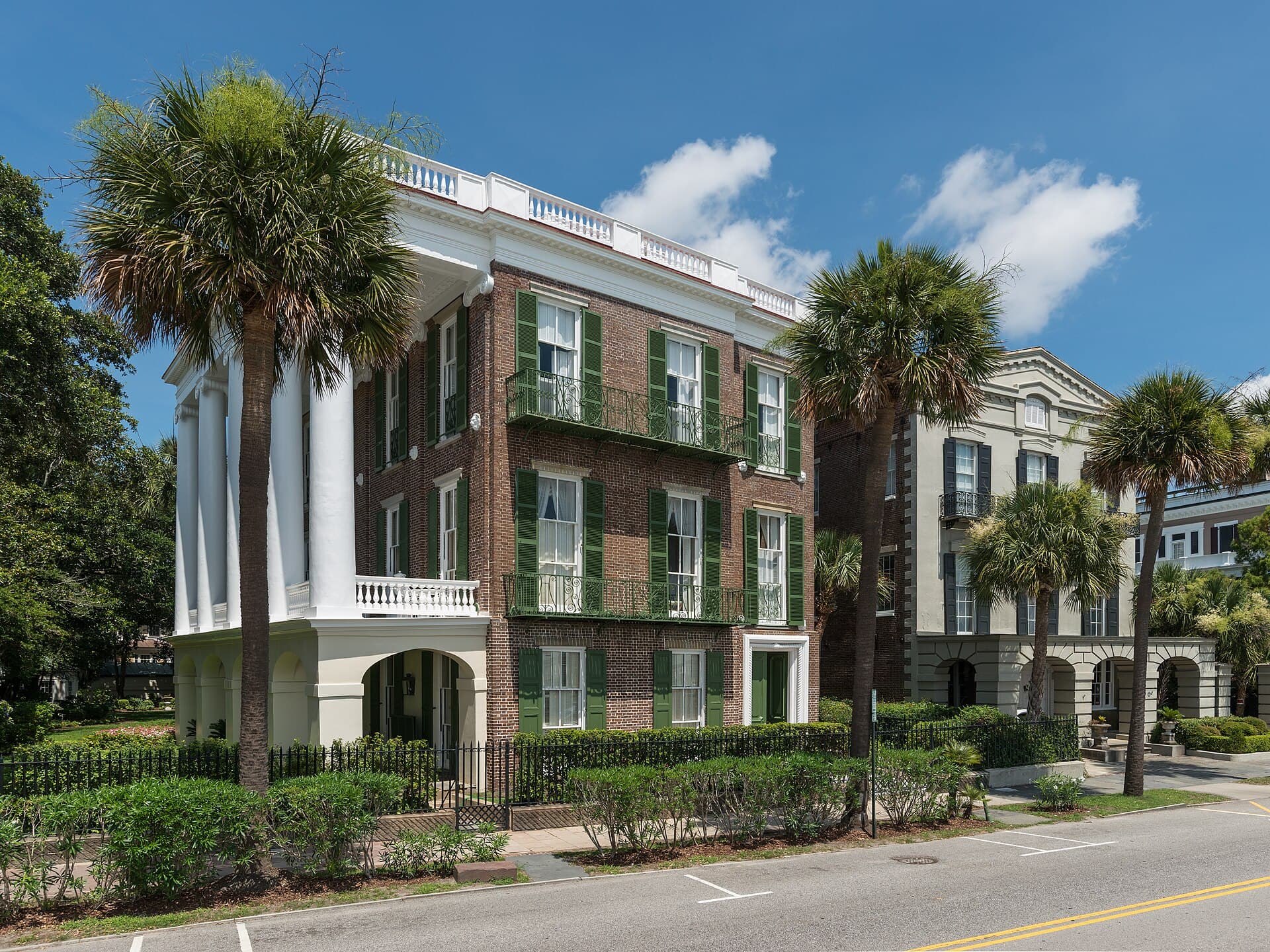
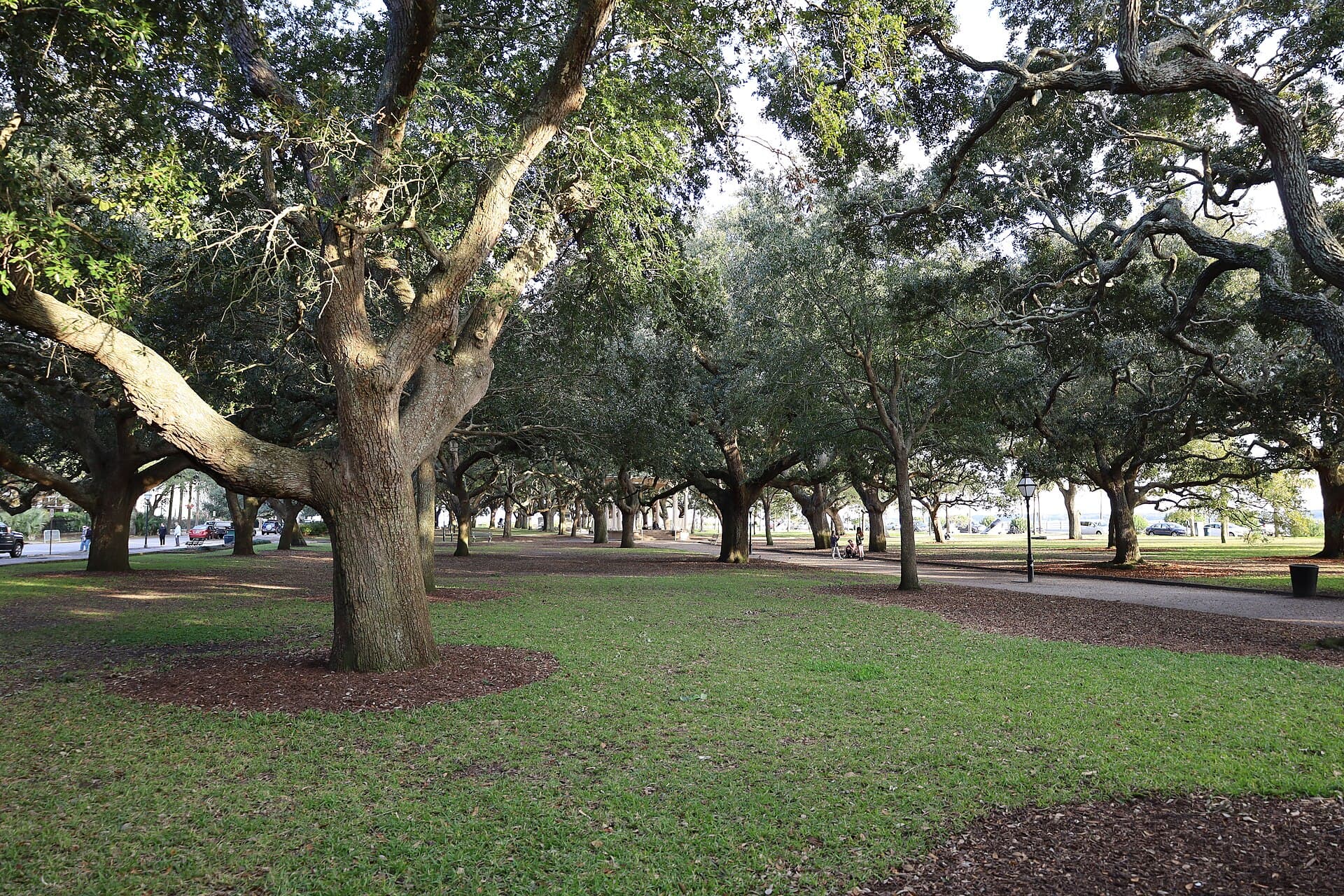
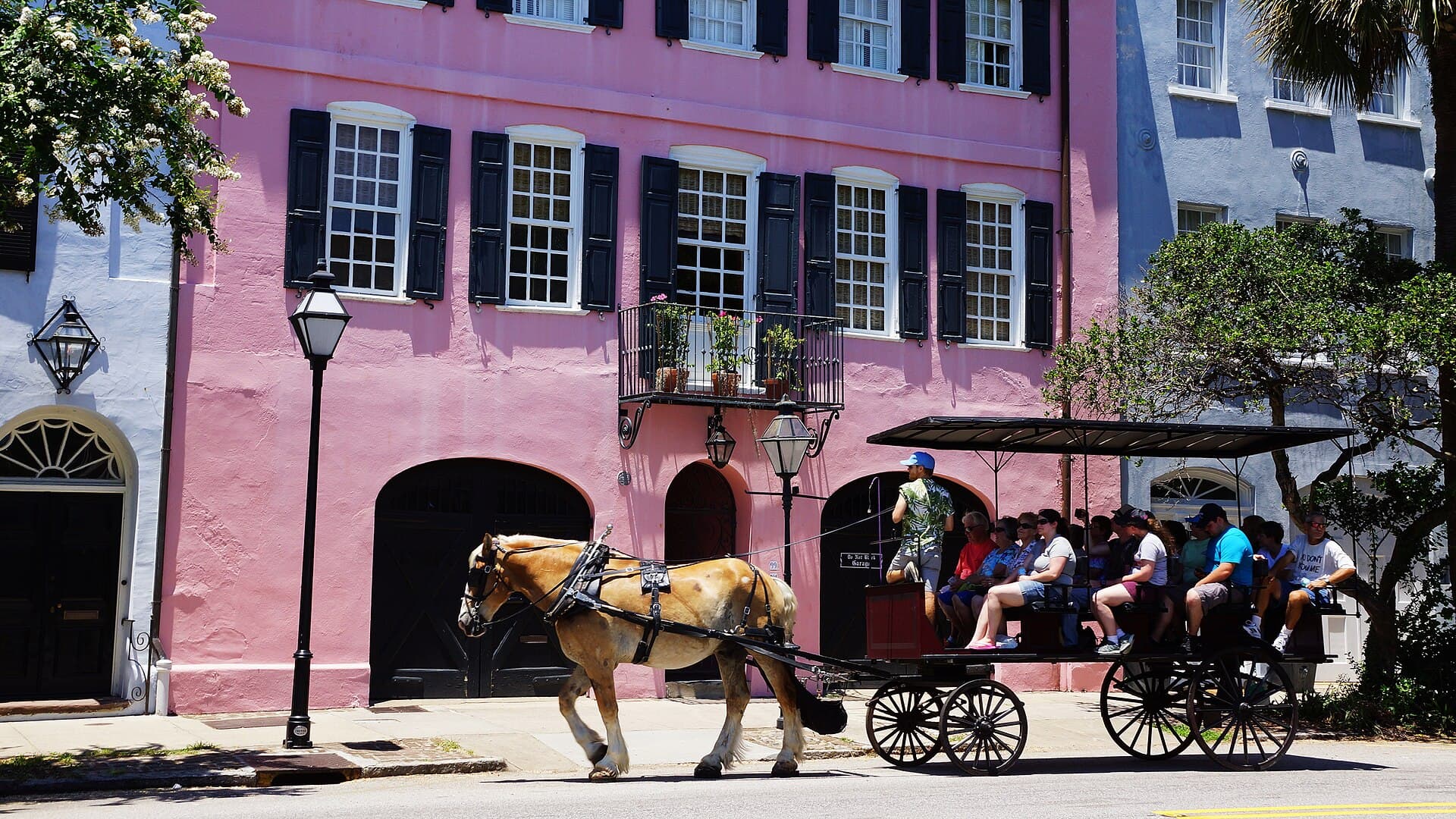
  • A guided walk through Waterfront Park, Rainbow Row, The Battery, and White Point Garden for harbor geography, architecture, and preservation
  • The International African American Museum and African Ancestors Memorial Garden at Gadsden’s Wharf for forced migration, family history, cultural continuity, and public memory
  • The official ferry to Fort Sumter for Charleston Harbor views, engineered coastal defense, surviving ruins, and the opening of the Civil War

Revolutionary City & Ashley River

  • For grades 3–8, the Old Exchange & Provost Dungeon, Heyward-Washington House, and Powder Magazine in the three-hour Pirates, Patriots, and Powder program
  • The Charleston Museum for objects and specimens tracing Native American, African American, European, Revolutionary, and Lowcountry natural history
  • For grades 3–8, A Day in the Life at Drayton Hall plus the add-on Student House Tour, combining original documents and named lives with architecture and preservation
Day by Day

The route your group travels

1
Charleston Historic Peninsula

Learning theme/Harbor Geography, Architecture & First Evidence

See the City from the Waterfront

Begin at Waterfront Park and follow a guided route past Rainbow Row to The Battery and White Point Garden. Students use the harbor, street pattern, building forms, and preserved façades to establish Charleston as a port city and identify questions the days ahead will investigate. A welcome dinner of Lowcountry cooking closes the evening; try some shrimp and grits.

2
Gadsden’s Wharf & Charleston Harbor

Learning theme/Forced Migration, Memory & Civil War Geography

One Harbor, Different Histories

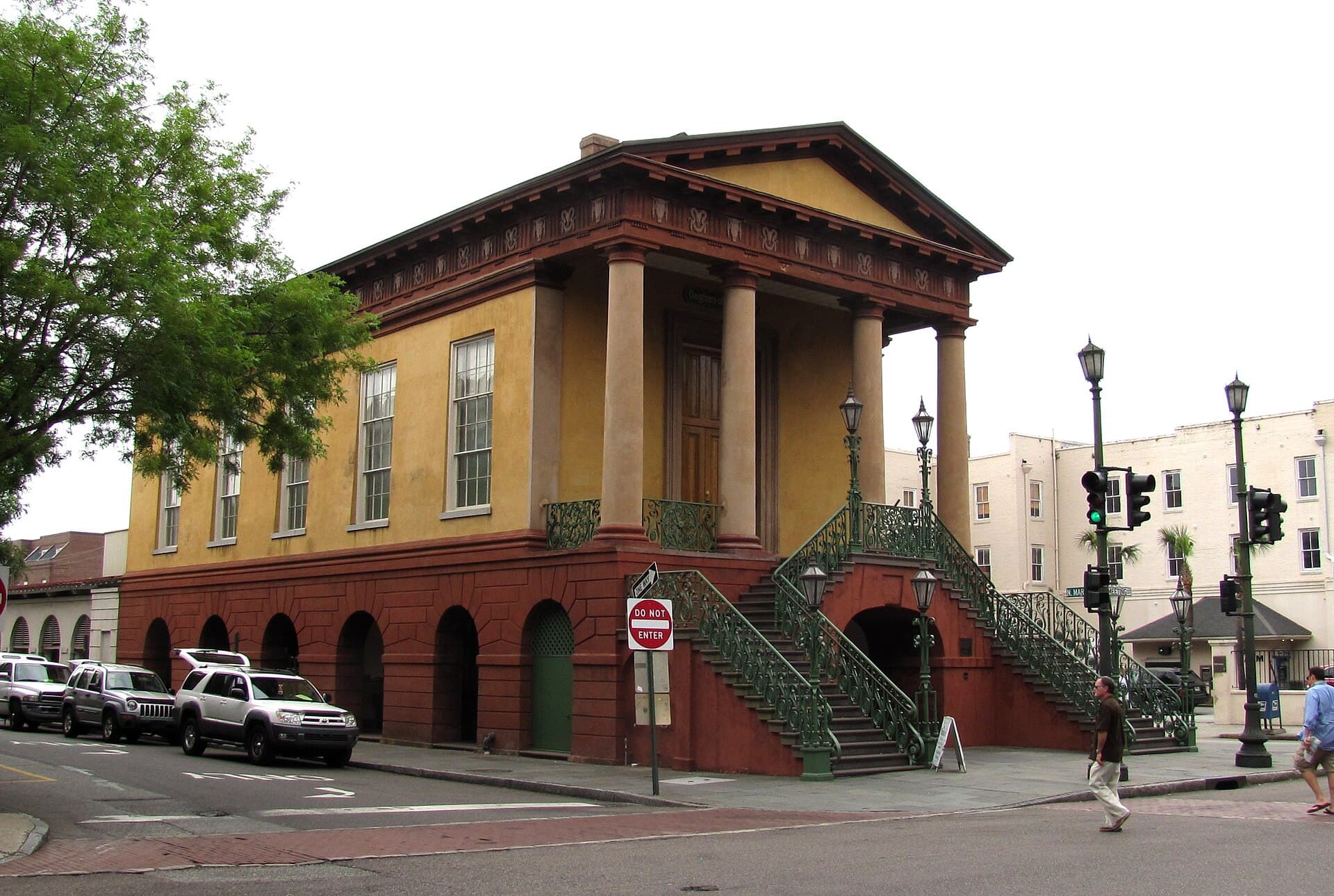
Start with a reserved school visit at the International African American Museum and spend time in the African Ancestors Memorial Garden. After lunch, walk to Liberty Square for the official ferry to Fort Sumter, where the crossing and ruins show why this harbor became the place the Civil War began. End on Chalmers Street at the Old Slave Mart Museum, inside the salesroom where slave auctions continued until 1863.

3
Charleston Historic District & Museum Mile

Learning theme/Revolution, Daily Life & Material Evidence

Charleston’s Revolutionary City

For grades 3–8, follow the three-hour Pirates, Patriots, and Powder program through the Old Exchange & Provost Dungeon, Heyward-Washington House, and Powder Magazine. After lunch, continue at the Charleston Museum, then finish among the open-air sheds of Charleston City Market, watching Gullah sweetgrass weavers at work.

4
Mount Pleasant & Johns Island

Learning theme/Gullah Heritage & Naval History

Boone Hall & Patriots Point

At Boone Hall Plantation, nine original brick slave cabins house the Black History in America exhibit, and a live Gullah culture presentation shares storytelling, song, and dance carried forward by descendants. Across town at Patriots Point, board the USS Yorktown, the World War II aircraft carrier known as the Fighting Lady, with the destroyer Laffey alongside and the Medal of Honor Museum on her hangar deck.

5
Ashley River Road

Learning theme/Land, Architecture & Preservation

Angel Oak & Drayton Hall

Stand beneath the Angel Oak on Johns Island, a southern live oak estimated at 400 to 500 years old whose canopy shades about 17,000 square feet. Then at Drayton Hall, students meet named members of the Drayton family and the enslaved community through original documents in the A Day in the Life program for grades 3–8. The Student House Tour examines the house’s architecture and preservation before the trip home.

Homeward
Gallery

Charleston History, Harbor & Memory in pictures

Image credits

Carriage Ride on Rainbow Row: NealVickers (CC BY-SA 4.0); East Battery Mansions: DXR (CC BY-SA 4.0); White Point Garden: Antony-22 (CC BY-SA 4.0); Pineapple Fountain: Michael Rivera (CC BY-SA 4.0); Charleston City Market: Brian Stansberry (CC BY 3.0); Fort Sumter: Methaz (CC BY-SA 3.0); Arthur Ravenel Jr. Bridge: Juliancolton (CC BY-SA 4.0); Boone Hall Avenue of Oaks: Brian Stansberry (CC BY 3.0); Sweetgrass Basketry at City Market: Andrea Kennedy / Fernweh Travel Images (CC BY-SA 4.0); Angel Oak: Agupta96 (CC BY-SA 4.0); Old Slave Mart Museum: Warren LeMay (CC0 1.0)

The Details

What's included

  • Airfare or transportation to and from Charleston
  • Private motorcoach and local transportation throughout the tour
  • Hotel accommodations
  • All meals; no meal money or dining extras required
  • All scheduled admissions, activities, and guided excursions
  • Experienced educational guide and curriculum-connected trip planning
  • Curriculum-connected activities and learning materials
  • Group enrollment and payment-plan support

Not included

  • Travel and trip cancellation insurance
How Planning Works

Three steps to a trip that fits your group

1

Tell us about your group

Who's traveling, when, and where you're coming from. That's all we need to start.

2

We build your quote

Itinerary, hotels, and motorcoach, priced for your group size and your dates.

3

Refine it with your advisor

Adjust the days, the stops, and the pace until it fits. We handle the rest.

Ready to plan your Charleston History, Harbor & Memory trip?

Tell us your group and your dates. We’ll take it from there.

Request a Quote